bestelling (moq):
1
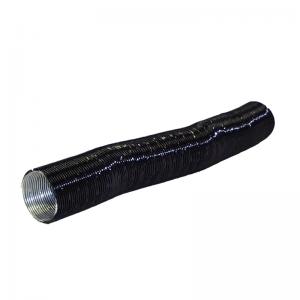
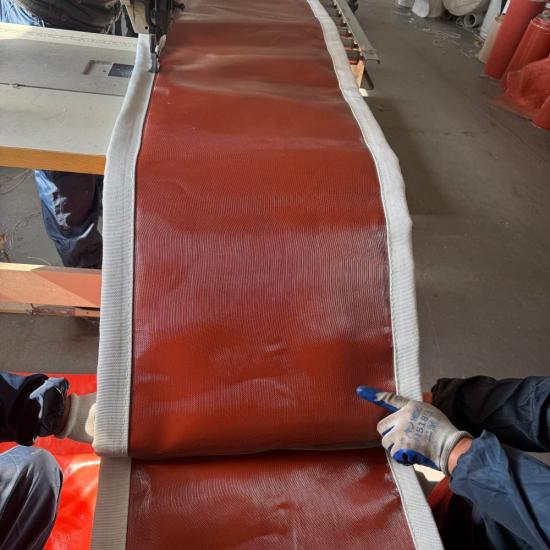
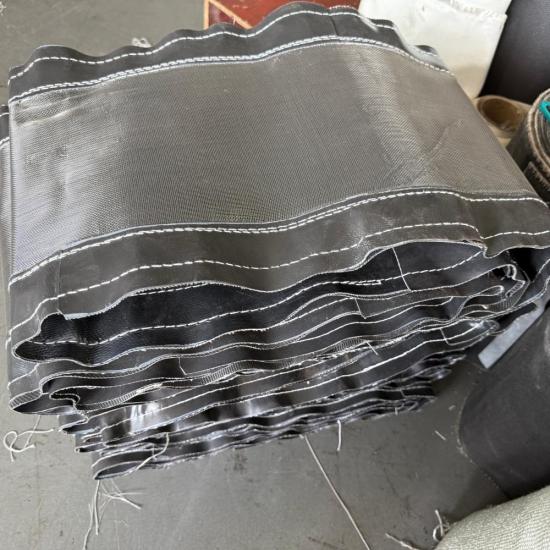
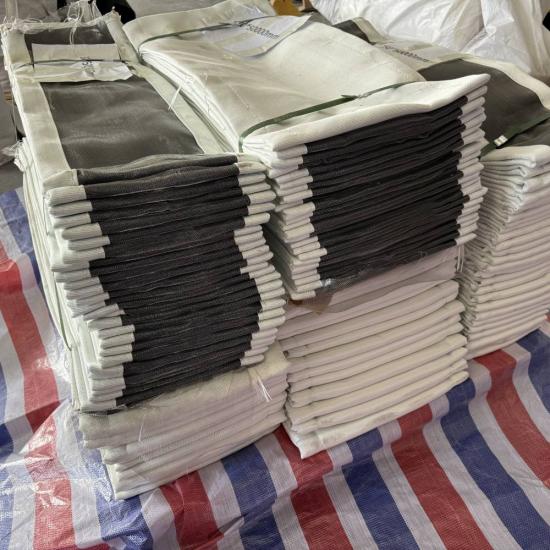
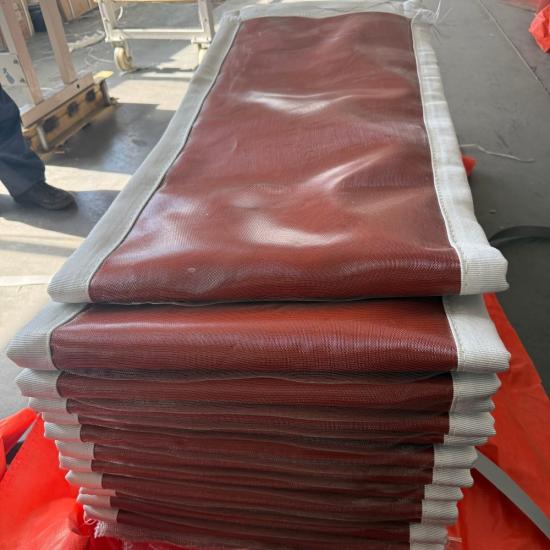
BSTFLEX niet-metalen textiel expansievoegDit is een op maat gemaakte, flexibele connector, ontworpen voor industriële luchtkanalen, hetelucht-, uitlaat- en rookgassystemen, waar thermische uitzetting, trillingen, beweging van apparatuur of installatiefouten moeten worden opgevangen zonder overmatige belasting over te brengen op aangrenzende luchtkanalen en apparatuur.
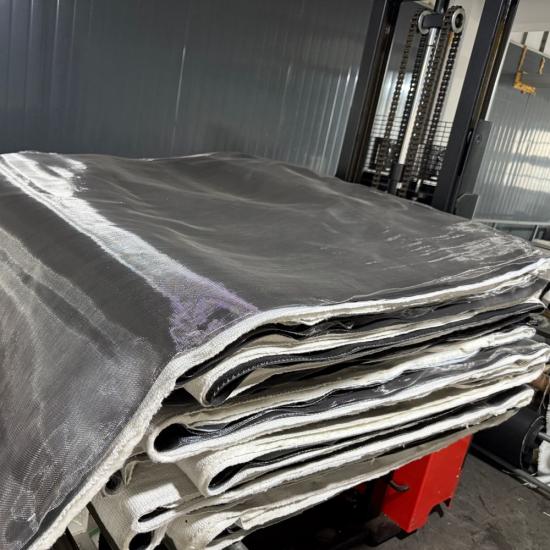
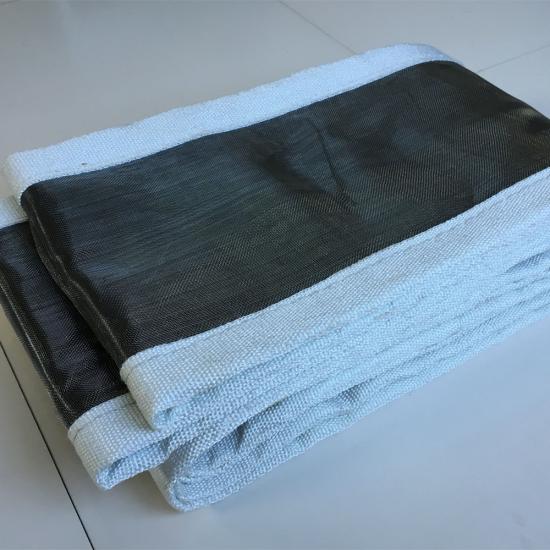
In tegenstelling tot starre metalen onderdelen, eenuitzettingsvoeg in het textielHet maakt gebruik van een of meer flexibele textiel-, gecoate stof-, afdichtings- en isolatielagen, geselecteerd op basis van de bedrijfstemperatuur, gassamenstelling, drukcondities, bewegingsvereisten en omgevingsfactoren. Het flexibele element kan axiale, laterale en hoekverplaatsingen opvangen, terwijl een gecontroleerde verbinding tussen twee kanaaldelen behouden blijft.
BSTFLEX produceert ronde, rechthoekige, vierkante en toepassingsspecifieke profielen.niet-metalen uitzettingsvoegenVoor OEM-fabrikanten, leidinginstallateurs, energiecentrales, cementfabrieken, staalverwerkingsapparatuur, industriële ovens, ventilatiesystemen en andere hogetemperatuurprocesinstallaties.
| Product | Niet-metalen textiel uitzettingsvoeg |
| Alternatieve namen | Stoffen expansievoeg, stoffen kanaal expansievoeg, composiet stoffen expansievoeg, niet-metalen compensator |
| Bouw | Flexibele constructie met één of meerdere lagen. |
| Vormen | Ronde, rechthoekige, vierkante en aangepaste geometrieën |
| Beweging | Axiale, laterale, hoek- en gecombineerde beweging |
| Typische media | Hete lucht, uitlaatgassen, rookgassen en industriële procesgassen |
| Materialen | Geselecteerd op basis van temperatuur, medium, blootstelling aan chemicaliën, slijtage en mechanische eisen. |
| Maat | Op maat gemaakt volgens tekening of installatieafmetingen. |
| Sollicitatie | Industriële luchtkanalen, afzuiginstallaties, ovens, boilers, ventilatoren en procesluchtsystemen. |
Aniet-metalen uitzettingsvoeg van textielEen flexibele verbinding is een constructie die tussen secties van industriële luchtkanalen of apparatuur wordt aangebracht om bewegingen te compenseren die anders spanning in het systeem zouden veroorzaken. Thermische uitzetting is een van de meest voorkomende oorzaken van beweging, maar ook trillingen, verplaatsing van apparatuur, fabricagetoleranties en structurele bewegingen moeten mogelijk worden beheerst.
De flexibele behuizing wordt doorgaans vervaardigd uit speciaal ontwikkeld textiel en gecoate stoflagen in plaats van een gevormde metalen balg. Afhankelijk van de gebruiksomstandigheden kan de constructie een gasdicht membraan, verstevigingsweefsel, thermische isolatie en een interne beschermlaag bevatten.
Deze constructie maakt eenuitzettingsvoeg in het textielBijzonder geschikt voor grote kanaaldoorsneden, hete gasvormige media en toepassingen waarbij beweging in meer dan één richting vereist is.
Industriële luchtkanalen zetten uit en krimpen door temperatuurschommelingen tijdens het gebruik. Als deze beweging volledig wordt tegengehouden, kan thermische spanning worden overgedragen op de wanden van de kanalen, flenzen, ventilatoren, aansluitingen van apparatuur en ondersteunende constructies.
Een flexibeleuitzettingsvoeg van textielkanaalDit creëert een gecontroleerde bewegingszone tussen aangrenzende secties. Naarmate het kanaal uitzet, krimpt of verschuift, verandert de geometrie van het flexibele gedeelte in plaats van dat de gehele verplaatsing wordt opgedrongen aan stijve componenten.
Afhankelijk van de geometrie van de voeg en het systeemontwerp kan de uitzettingsvoeg het volgende bevatten:
Er bestaat geen universele constructie die geschikt is voor elke industriële uitzettingsvoeg. Een betrouwbaar ontwerp begint bij de feitelijke bedrijfsomstandigheden.
Een meerlaags systeem kan verschillende functionele lagen bevatten, die elk een andere taak uitvoeren:
De gasdichtingslaag helpt het procesmedium in te sluiten en wordt gekozen op basis van temperatuur, gassamenstelling, vochtigheid, blootstelling aan chemicaliën en druk. Afhankelijk van de toepassing kan gekozen worden voor gecoat glasvezel of materialen op basis van fluorpolymeren.
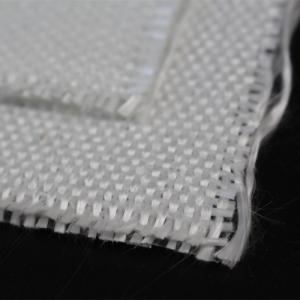
De verstevigingslaag zorgt voor vormvastheid en mechanische ondersteuning van het flexibele element. Geweven glasvezel en andere technische textielsoorten kunnen worden gekozen op basis van de vereiste mechanische en thermische eigenschappen.
Bij systemen met hoge temperaturen kan een isolatielaag nodig zijn om de temperatuur die de buitenste afdichtingsmaterialen bereikt te verlagen. De dikte en het materiaal van de isolatie moeten worden afgestemd op de gastemperatuur, de externe temperatuurlimieten en de geometrie van de voegen.
Wanneer de expansievoeg wordt blootgesteld aan hoge gassnelheden, fijnstof of schurende media, kan een intern beschermingssysteem of een stroomvoering nodig zijn om directe impact op het flexibele element te verminderen.
Materiaalselectie is een van de belangrijkste onderdelen vanontwerp van niet-metalen uitzettingsvoegenBSTFLEX werkt met een breed scala aanhittebestendige stoffenen gecoate technische textielsoorten, waardoor de flexibele constructie kan worden aangepast aan verschillende industriële omgevingen.
| Materiaalsoort | Typische functie | Selectiecriteria |
|---|---|---|
| Glasvezelweefsel | Reinforcement and thermal-resistant textile layer | Temperature, weight, weave and mechanical strength |
| Silicone Coated Fiberglass | Flexible outer or sealing layer | Temperature, weather resistance, flexibility and environment |
| PTFE Coated Fabric | Gas sealing and chemical-resistant layer | Chemical compatibility, temperature and process media |
| Silica Fabric | High-temperature thermal protection layer | Temperature exposure and insulation requirement |
| Insulation Materials | Reduction of temperature through the joint construction | Operating temperature and required external surface temperature |
| Metal Mesh or Internal Liner | Mechanical or flow protection where required | Gas velocity, abrasion, particles and installation geometry |
For particularly demanding thermal environments, BSTFLEX can evaluate high-silica textile solutions such as96% high temperature silica fabricas part of the overall thermal protection system where technically appropriate.
The final material combination should always be determined from actual application data rather than temperature alone.
Ahigh temperature fabric expansion jointis not defined by one universal maximum temperature. The permissible operating temperature depends on the complete joint construction, including the hot-face protection, insulation package, reinforcement fabric, gas seal membrane, external cover and the temperature distribution through those layers.
For this reason, BSTFLEX evaluates both process temperature and the temperature expected at individual layers of the expansion joint. This approach allows the materials to be selected for their actual operating environment rather than relying on a single generic temperature rating.
When requesting a high-temperature joint, provide the normal operating temperature, maximum or upset temperature, exposure duration and process medium wherever possible.
BSTFLEX manufactures expansion joints according to the shape and dimensions of the customer's ducting system.
Arectangular fabric expansion jointis commonly used on large industrial ductwork, boiler systems, air-handling equipment, furnace connections and flue-gas ducts. Corner geometry, movement distribution and attachment design require particular attention because stress is not distributed in the same way as on a circular joint.
Round and circular fabric expansion joints are suitable for cylindrical duct systems, fan connections, exhaust lines and process-air installations. Diameter, face-to-face length and movement requirements can be manufactured according to the installation.
Non-standard shapes, transitions and asymmetric configurations can be evaluated when standard round or rectangular joints cannot match existing equipment.
Different attachment arrangements can be supplied depending on the duct design and replacement requirements.
Belt-type fabric expansion jointsuse a flexible belt attached to mating metalwork and are suitable for many large industrial duct applications.
Flanged fabric expansion jointscan be manufactured as complete assemblies where the flexible element, insulation components and supporting metalwork are supplied as an integrated unit.
For replacement projects, BSTFLEX can manufacture according to customer drawings, dimensional records or available sample information.
BSTFLEXnon metallic fabric expansion jointscan be engineered for a broad range of hot-air and process-gas ducting systems.
Fabric joints can be used in boiler ducting, flue-gas handling systems, fan connections and other large gas-transport ducts where thermal movement and vibration need to be isolated.
Cement production involves large ductwork exposed to heat, dust and continuous equipment movement. Expansion joints may be used around kiln-related ducting, process-air systems, fans and gas-handling equipment.
Furnace exhaust, hot-air ducts and process ventilation systems may require flexible connections capable of accommodating thermal growth while operating around demanding high-temperature equipment.
Where process gases contain corrosive constituents, joint materials should be selected according to chemical compatibility as well as temperature.
Fabric joints can compensate for expansion between heated equipment and downstream ductwork while helping isolate movement and vibration.
Flexible expansion joints can reduce the transmission of mechanical vibration between fans, blowers and rigid ducting.
High-temperature exhaust and hot-gas systems often require a flexible transition capable of accommodating repeated thermal cycles and installation movement.
| Design Factor | Fabric Expansion Joint | Metal Expansion Joint |
|---|---|---|
| Flexible Element | Technical fabric or composite textile construction | Formed metallic bellows |
| Typical System | Industrial ducting and gaseous-media systems | Pipe and process systems including higher-pressure service |
| Large Cross Sections | Well suited to large duct dimensions | Possible but design becomes more complex |
| Multidirectional Movement | Can accommodate axial, lateral and angular movement | Depends strongly on bellows configuration |
| Vibration Isolation | Good flexibility for fan and duct connections | Application dependent |
| Material Selection | Composite layers can be selected for thermal and chemical conditions | Determined mainly by metal alloy and bellows design |
The correct choice depends on pressure, temperature, process medium, duct geometry, required movement and applicable engineering standards. Fabric and metallic expansion joints should therefore not be treated as universally interchangeable products.
Selecting an expansion joint only by duct size or maximum temperature is not sufficient. Several operating parameters interact with each other and influence the appropriate construction.
The following information should be evaluated:
Providing this information allows the flexible element and supporting components to be selected around the real service conditions.
For faster engineering evaluation and quotation, send as much of the following information as available:
| Duct Size | Diameter or width × height |
| Joint Shape | Round, rectangular, square or custom |
| Installation Length | Face-to-face dimension |
| Operating Temperature | Normal continuous temperature |
| Maximum Temperature | Maximum or upset temperature and duration |
| Pressure | Normal and design pressure |
| Process Medium | Air, flue gas, exhaust gas or other process gas |
| Axial Movement | Compression and extension |
| Lateral Movement | Required offset movement |
| Angular Movement | Required angular displacement if applicable |
| Environment | Indoor, outdoor, chemical, dusty, wet or abrasive |
| Drawing | PDF, CAD drawing, dimensional sketch or existing joint details |
| Quantity | Prototype, replacement quantity or production requirement |
Industrial expansion joints are frequently project-specific components rather than standard catalogue parts. BSTFLEX supports customized manufacturing according to drawings, dimensional requirements and operating conditions.
Custom options may include:
Because BSTFLEX also works directly with thermal protection textiles and coated high-temperature fabrics, material construction can be evaluated as part of the expansion joint design instead of treating the flexible element as a generic component.
BSTFLEX focuses on engineered thermal protection and technical textile products for industrial applications. Our manufacturing capabilities cover high-temperature woven fabrics, coated fabrics, insulation materials and fabricated thermal components, providing a practical material base for customfabric expansion jointprojects.
A non metallic expansion joint is a flexible connection used primarily in ducting and gaseous-media systems to accommodate thermal expansion, vibration, misalignment and multidirectional movement. Its flexible element is normally manufactured from technical fabrics, coated textiles, insulation and other non-metallic materials selected according to the operating environment.
A fabric expansion joint uses a flexible textile or composite membrane, while a metallic expansion joint normally uses formed metal bellows. Fabric joints are widely used on large industrial ducts and gas-handling systems, while metallic bellows are common in piping and applications where system pressure or process requirements favor metallic construction.
Yes. Properly designed fabric expansion joints can accommodate axial, lateral and angular movement as well as combinations of these movements. The required movements must be provided during design so the joint geometry can be selected correctly.
There is no single temperature rating for every fabric expansion joint. Temperature capability depends on the flexible membrane, insulation package, hot-face protection, sealing material and overall joint construction. BSTFLEX selects the material system according to the normal operating temperature, maximum temperature and exposure conditions.
Depending on the application, materials may include fiberglass fabric, silicone-coated fiberglass, PTFE-coated fabric, silica fabric, insulation materials and metallic protective components. Each layer is selected according to its specific function.
Yes. Fabric expansion joints are widely applicable to industrial flue-gas and hot-gas ducting when the construction is engineered for the process temperature, chemical composition, moisture, pressure, gas velocity and movement requirements.
Yes. BSTFLEX manufactures rectangular, round, square and other custom configurations according to duct dimensions and installation requirements.
In many cases, yes. Dimensional measurements, photographs, operating conditions and information from the existing expansion joint can be used for an initial evaluation. A complete drawing or physical sample provides additional information when available.
The most useful information includes duct dimensions, joint shape, face-to-face length, operating and maximum temperature, pressure, process medium, axial movement, lateral movement, angular movement, gas velocity, chemical exposure, flange arrangement and required quantity. Drawings are strongly recommended where available.
Als u een vervangende expansievoeg nodig heeft of een nieuw industrieel luchtkanalensysteem ontwikkelt, stuur dan uw tekening en bedrijfsomstandigheden naar BSTFLEX. Ons team kan de benodigde vorm, afmetingen, flexibele materialen, isolatieconstructie en bewegingsvereisten voor uw toepassing beoordelen.
Voor een offerte verzoeken wij u de volgende informatie te verstrekken:Kanaalafmetingen, temperatuur, druk, procesmedium, bewegingsvereisten, installatielengte, hoeveelheid en beschikbare tekeningen.
Vraag een offerte aan voor uw project met uitzettingsvoegen van textiel
vorig:
tig vinger hitteschildDe volgende:
Isolatiedeken voor injectiemachinevatenals je vragen of suggesties hebt, laat dan een bericht achter,we zullen je zo snel mogelijk antwoorden!

 English
 français
 Deutsch
 русский
 italiano
 español
 português
 العربية
 日本語
日本語 한국의
한국의 Türkçe
 Polski
 Tiếng Việt
 slovenský
 Indonesia