Een verwijderbare isolatiedeken moet meer kunnen doorstaan dan alleen constante hitte. Hij kan losgemaakt, weggevouwen van een ventiel, naar een opslagruimte gebracht en na onderhoud weer teruggeplaatst worden. Elke handeling legt een andere belasting op de gestikte randen. De keuze voor roestvrijstalen naaigaren begint daarom met de manier waarop de deken is gemaakt en behandeld.
Voor isolatiefabrikanten die op zoek zijn naar een metalen draad, biedt BSTFLEX304 roestvrijstalen naaigarenHet is een product dat beoordeeld moet worden aan de hand van de vereiste naadconstructie. De nuttige specificatie combineert draaddikte, mechanische prestaties, blootstellingsomstandigheden en naaigedrag. Een legeringsnaam of een temperatuuraanduiding alleen kan niet beschrijven hoe de afgewerkte naad zal presteren.
Een klepmantel, een turbinekap en een uitlaatisolatiedeken kunnen hun naden op zeer verschillende posities hebben. Een stiknaad dicht bij het oppervlak van de apparatuur kan andere temperaturen ervaren dan een stiknaad aan de buitenzijde. Een overlapping kan de ene rand beschermen, terwijl een andere rand blootgesteld blijft aan nabijgelegen hete componenten.
Markeer de naadlocaties op de tekening voordat u het garen kiest. Geef aan waar het garen door een voeringstof, een omgevouwen zoom, een verstevigingsplek of meerdere samengeperste isolatielagen loopt. Vermeld ook eventueel contact met gaas of bevestigingsmateriaal. Deze details helpen te bepalen waaraan het garen op elk deel van de hoes moet voldoen.
Gebruik de verwachte temperatuur bij de naad, samen met de blootstellingsduur en de bedrijfsatmosfeer. Houd continu gebruik gescheiden van korte onderbrekingen. De temperatuur van de apparatuur is nuttige achtergrondinformatie, maar bepaalt niet automatisch de temperatuur van elke steek in de deken.
Tijdens gebruik kan een deken relatief stil blijven liggen. Tijdens onderhoud trekt een technicus aan een sluiting, buigt een hoek of tilt een gedeelte weg van de apparatuur. Een naad die er op een vlak monster goed uitziet, kan zich onder deze geconcentreerde belastingen anders gedragen.
Besteed bijzondere aandacht aan hoeken, uitgangen voor trekkoorden, bevestigingslipjes en de uiteinden van overlappende panelen. Controleer of het patroon ervoor zorgt dat de deken vrij kan worden geopend of dat de gebruiker de hoes om een obstakel heen moet trekken. Controleer de versteviging en de lastverdeling waar bevestigingen in de buitenbekleding zijn genaaid.
Een dikkere draad kan een verkeerd geplaatst bevestigingspunt of een te klein dekenpatroon niet corrigeren. Als de stof scheurt naast een intacte stiklijn, onderzoek dan de stof, de naadtoeslag, de afstand tussen de gaten en de plaatselijke belasting voordat u de draadspecificatie wijzigt.
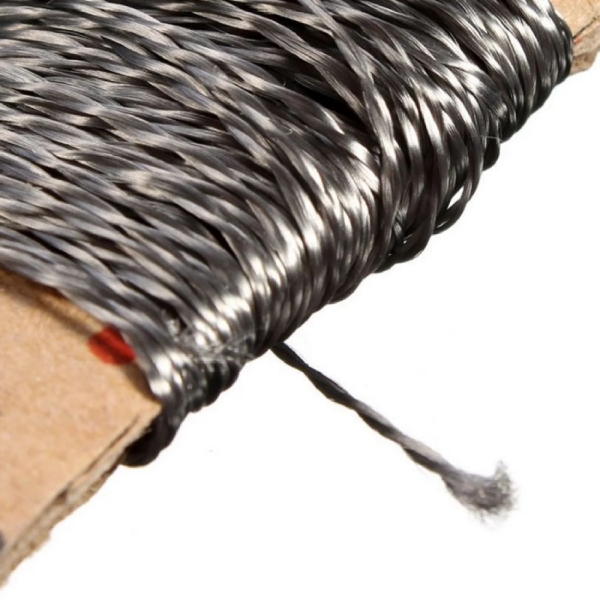
Industriële producten die als roestvrijstalen naaigaren worden verkocht, kunnen verschillende samenstellingen hebben. Garen gemaakt van roestvrijstalen filamenten verschilt van textielgaren versterkt met roestvrijstalen draad. Ook gecoate en gesmeerde constructies hebben hun eigen verwerkingseigenschappen.
Vraag de leverancier naar de metaalkwaliteit, de draad- of filamentconfiguratie, de uiteindelijke afmeting en eventuele coating of afwerking. Deze details zijn belangrijk bij het vergelijken van offertes of bij het vervangen van bestaand naaigaren. Een vergelijkbaar uiterlijk garandeert geen gelijkwaardige prestaties.
Indien er een coating of textielbekleding aanwezig is, dient onderscheid te worden gemaakt tussen de functie ervan tijdens het naaien en de vereiste prestaties na blootstelling aan hitte. Controleer de serviceaanbeveling voor de complete draadconstructie. Een intacte metalen kern bewijst op zich niet dat de afgewerkte naad nog steeds aan de vereiste belastingseisen voldoet.
De BSTFLEXhittebestendig naaigarenDit omvat roestvrij staal, glasvezel, aramide en gecoate of versterkte constructies. Vergelijk de kandidaten op basis van de stofdikte en de naadbelasting, met name bij de overgang van een bekend textielgaren naar een metalen constructie.
Begin met de eigenlijke bekledingsmaterialen en de isolatielaag. Neem een gevouwen rand, een hoek en eventuele verstevigingen die in het ontwerp zijn gebruikt mee. Een korte, rechte naad door één laag zal niet alle problemen aan het licht brengen die zich voordoen bij een gevormde isolatiemantel.
Controleer de draadgeleiding, de spoelaanvoer en de staat van de naald voordat u de machine-instellingen aanpast. Noteer het type en de maat van de naald, het type steek, de spanning en de naaisnelheid die voor elk voorbeeld zijn gebruikt. Wijzig één instelling tegelijk wanneer u draadbreuk of een onregelmatige steekvorming onderzoekt.
Meer steken betekent niet automatisch beter. Naaldgaten die te dicht bij elkaar liggen, kunnen sommige stoffen beschadigen, terwijl te veel spanning de naad kan vervormen of de omliggende materialen kan samendrukken. Kies de steekafstand door proefsteken te maken waarbij je zowel het garen als de stof beoordeelt.
Controleer de voltooide naad op losse lussen, beschadigde draden, overgeslagen steken en scheuren rond naaldgaten. Test representatieve exemplaren onder overeengekomen belastingen en beoordeel ze opnieuw na de relevante thermische blootstelling en verwerkingsprocedure. De eerste indruk is slechts een onderdeel van de goedkeuring.
Als er een probleem ontstaat met een naad in een bestaande isolatiedeken, noteer dan waar de schade begint en wat er nog intact is. Foto's van de binnen- en buitenkant van het beschadigde gebied zijn nuttiger dan een algemene vraag om een sterkere draad.
Deze observaties helpen de fabrikant te bepalen of bij de volgende proef de draad, de naai-instellingen of de constructie van de deken moeten worden aangepast. Wanneer een afgewerkte hoes wordt ontwikkeld, controleer dan de naad samen met de materialen en sluitingen in deverwijderbare isolatiedeken.
Voor een offerte dient u de vereiste legering en draaddikte op te geven, of een monster van de momenteel gebruikte draad op te sturen. Vermeld tevens de stofsoorten, isolatiedikte, naadtemperatuur, blootstellingsduur en beoogde naaimethode. Geef eventuele minimale breeksterkte of andere acceptatiecriteria aan, inclusief de testmethode indien gespecificeerd.
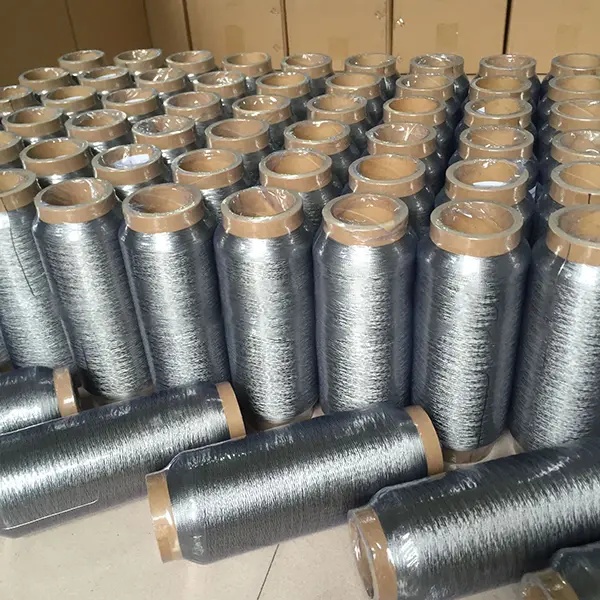
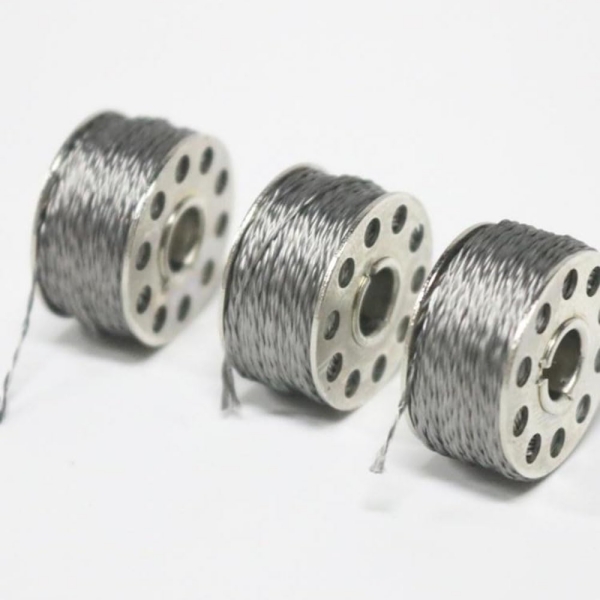
Ook de leveringseisen moeten duidelijk zijn. Specificeer het gewenste spoelformaat, de lengte of het gewicht per spoel, de proefhoeveelheid en het verwachte productieverbruik. Bevestig of de vergelijkingen worden gemaakt op basis van gewicht of bruikbare lengte; verschillende draadconstructies kunnen namelijk verschillende lengtes per kilogram opleveren.
Bewaar een goedgekeurd garenmonster en een representatief genaaid voorbeeld bij de productiespecificaties. Noteer de geaccepteerde constructie en machine-instellingen, zodat een latere levering aan dezelfde basis kan worden gecontroleerd.
Om te besprekenRoestvrijstalen naaigaren voor verwijderbare isolatiedekensStuur BSTFLEX uw tekening, een actueel voorbeeld of foto's van de naad, samen met de bedrijfsomstandigheden. Vraag een voorgestelde draadspecificatie en de gewenste hoeveelheid voor een productieproef aan voordat u een bulkbestelling bevestigt.

 English
 français
 Deutsch
 русский
 italiano
 español
 português
 العربية
 日本語
日本語 한국의
한국의 Türkçe
 Polski
 Tiếng Việt
 slovenský
 Indonesia