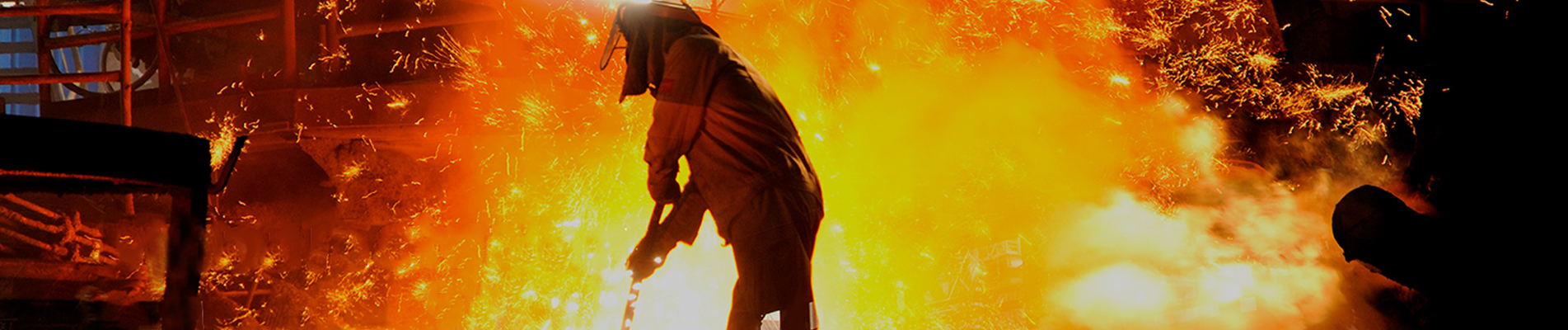
Het met siliconen gecoate glasvezelweefsel voor verwijderbare isolatiemantels dient als flexibele buitenbekleding rond de isolatiekern. Het biedt een gecoat oppervlak voor hantering en bescherming tegen omgevingsinvloeden, terwijl de isolatie in de mantel een andere functie vervult: het beperken van warmteoverdracht van de apparatuur.
Bij de keuze van de buitenstof gaat het om meer dan alleen het matchen van kleur of dikte. Een klepdeksel dat tijdens routineonderhoud wordt geopend, een beschermhoes voor een flens aan de buitenkant en een grote afdekhoes voor apparatuur kunnen verschillende eisen stellen aan een ogenschijnlijk identieke stof. De nuttige specificatie legt een verband tussen de stof en de manier waarop de afgewerkte hoes zal worden geïnstalleerd, gehanteerd en onderhouden.
BSTFLEX levertmet siliconen gecoat glasvezelweefselmet opties voor enkelzijdige en dubbelzijdige coating voor industriële toepassingen. De volgende selectiepunten richten zich op het gebruik als isolatiebekleding in plaats van als een compleet isolatiesysteem. Voor de materiaalsamenstelling, ziewat met siliconen gecoat glasvezelweefsel is.
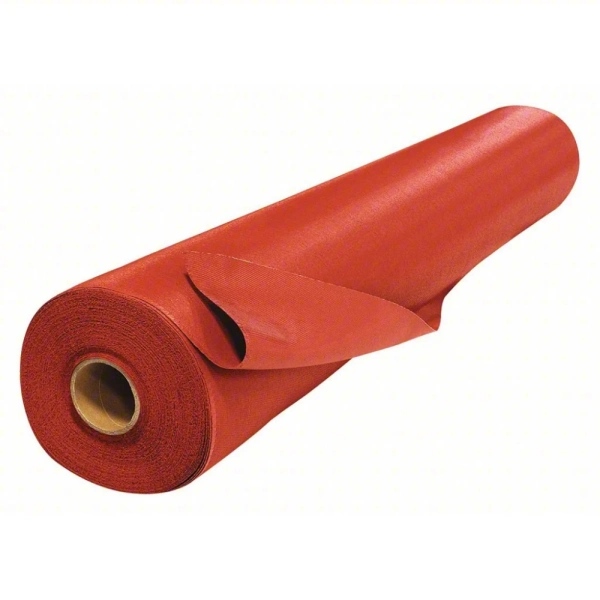
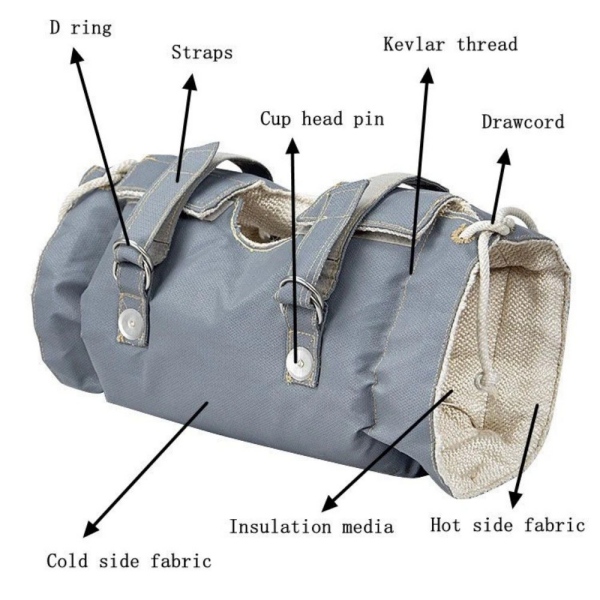
Een verwijderbare jas kan een uitrustingsbestendige voering, een flexibele isolatiekern en een buitenhoes combineren, samen met naden en herbruikbare sluitingen. Specificeer elk onderdeel voor de specifieke omstandigheden waaraan het wordt blootgesteld. De buitenstof mag niet worden gekozen alsof deze noodzakelijkerwijs dezelfde temperatuur zal ervaren als de uitrustingsbestendige voering.
Afhankelijk van de kwaliteit kan de siliconencoating vochtbestendigheid en duurzaamheid bieden. Het vervangt echter niet de onderliggende isolatie. Het verhogen van het coatinggewicht is geen vervanging voor het kiezen van het isolatiemateriaal en de dikte die nodig zijn voor het thermisch ontwerp.
De buitenkant wordt soms de koude kant genoemd, maar dat is een relatieve positie binnen de constructie en geen garantie dat het oppervlak veilig is om aan te raken. Elke eis met betrekking tot de oppervlaktetemperatuur moet worden beoordeeld voor de voltooide mantel onder de gespecificeerde bedrijfsomstandigheden.
Begin met de vraag hoe vaak de beschermhoes geopend zal worden en wat ermee gebeurt tijdens het onderhoud van de apparatuur. Wordt de hoes opgevouwen, door een krappe ruimte gedragen, op een werkbank gelegd of tussen de onderhoudsbeurten door opgeborgen? Gebruik deze omstandigheden om de steekproefevaluatie te definiëren.
Bij een kleppendeksel dat vaak verwijderd wordt, moet je letten op de vouwlijnen rond de motorkap, het gedrag van de stof bij de sluitlipjes en de bereikbaarheid van de bevestigingsmiddelen. Bij een grotere deken moet je nagaan hoe het gewicht ervan tijdens het hanteren wordt gedragen. Ga er niet vanuit dat een sluitlipje ook een tilpunt is.
Bij het vervangen van een bestaande hoes is het belangrijk om de schade te inspecteren voordat je het materiaal vervangt. Slijtage aan een hoek, een gescheurde bevestigingsplek en algemene oppervlaktebeschadiging zijn verschillende signalen. Controleer op wrijving van de bevestigingsmaterialen, geconcentreerde belastingen en een te hoge plaatselijke temperatuur voordat je concludeert dat een dikker doek de oplossing is.
| Serviceconditie van de jas | Stoffenevaluatie | Montagedetails ter beoordeling |
|---|---|---|
| Regelmatig demonteren voor onderhoud aan de klep | Vouwgedrag, coatingintegriteit en weerstandce tot beschadiging door hantering | Sluitingspatches, naadindeling en toegang rondom het ventiel |
| Buitenleiding of flensinstallatie | Productspecifieke informatie over weer- en waterbestendigheid. | Overlappingen, openingen en de goedgekeurde waterbeheerregeling |
| Apparatuur die wordt blootgesteld aan reinigingsmiddelen of procesvloeistoffen. | Compatibiliteit met de genoemde stoffen onder feitelijke contactomstandigheden. | Reinigingsprocedure en mogelijke toegangspunten tot de isolatie |
| Compacte hoes met strakke rondingen | Drapeer- en naaddikte in een representatief genaaid voorbeeld | Patroonvorm, gevouwen randen en beschikbare bevestigingsruimte |
| Grote, afneembare uitrustingsdeken | Relevante stof- en naadsterkte, met overeengekomen acceptatiecriteria. | Paneelindeling, hanteringsmethode en versteviging op belaste locaties |
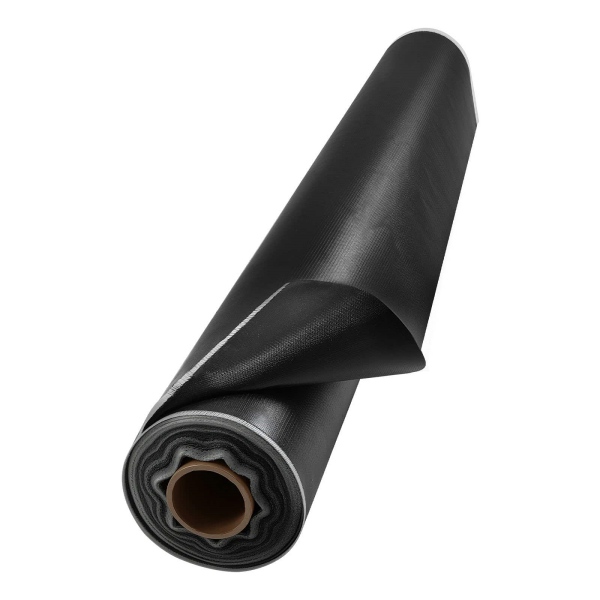
Een gecoat oppervlak is slechts een onderdeel van de behuizing. Naadgaten, snijranden, overlappende panelen, instrumentopeningen en sluitingen vereisen aparte aandacht. Trek een claim over waterbestendigheid van vlak geweven stof niet door naar de afgewerkte jas zonder de complete constructie te beoordelen.
Voor buitentoepassingen dient u de installatieoriëntatie en de verwachte blootstelling aan de elementen op de tekening aan te geven. Vraag de ontwerper van de mantelconstructie om te beoordelen hoe openingen en overlappingen de waterafvoer regelen. Eventuele details met betrekking tot drainage of afdichting moeten onderdeel uitmaken van het goedgekeurde ontwerp en niet na installatie worden geïmproviseerd.
Maak onderscheid tussen blootstelling aan reiniging en blootstelling aan weersomstandigheden. Regen, afvegen met een reinigingsmiddel en hogedrukreiniging zijn geen gelijkwaardige omstandigheden. Een oppervlak dat kan worden schoongeveegd, betekent niet dat de volledige hoes kan worden geweekt of in de wasmachine kan worden gewassen.
Beschouw een algemene omschrijving zoals 'oliebestendig' evenmin als compatibiliteit met elke vloeistof. Vermeld de chemische naam of productnaam, de concentratie (indien van toepassing), de contacttemperatuur en de verwachte duur. Vraag om informatie over de geschiktheid van de voorgestelde kwaliteit.
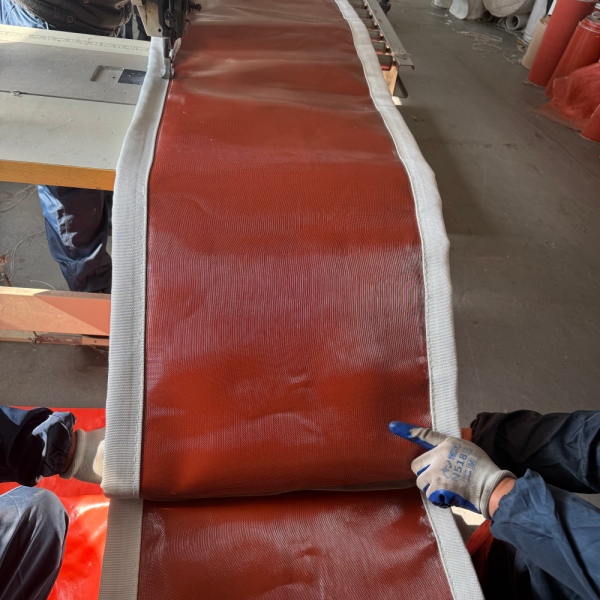
Voor een vergelijkbare offerte dient u de glasvezelbasis, de coating en het eindproduct afzonderlijk te specificeren. Vraag naar het gewicht van het basisweefsel, het gewicht van de uitgeharde siliconencoating aan elke zijde, het uiteindelijke gewicht, de dikte en de overeengekomen toleranties. Vermeld de eenheden duidelijk, bijvoorbeeld g/m² voor massa per oppervlakte-eenheid.
Een coating aan één zijde kan worden overwogen wanneer de blootgestelde zijde siliconenbescherming nodig heeft en de achterzijde binnen de mantel acceptabel is. Een coating aan twee zijden is een optie wanneer beide zijden een gecoat oppervlak vereisen. Geen van beide configuraties mag worden goedgekeurd zonder de daadwerkelijke stof en montage-eisen te controleren.
Noteer de gespecificeerde oriëntatie van de gecoate vlakken. Twee gecoate vlakken hebben niet per se een gelijke coatingdikte, en een tweede gecoat vlak verhoogt niet automatisch de temperatuurbestendigheid. De materiaalspecificatie moet de geaccepteerde constructie beschrijven in plaats van deze details mondeling te omschrijven.
Vermeld de bruikbare rolbreedte en eventuele beperkingen met betrekking tot rolverbindingen of defecten. Deze factoren beïnvloeden de manier waarop panelen kunnen worden gesneden. Vergelijk de kosten van het bruikbare materiaal voor de gewenste patronen, niet alleen de prijs van rollen met verschillende breedtes of lengtes.
Een plat stofstaaltje laat niet zien of een complete jas netjes opgevouwen kan worden, goed sluit of bestand is tegen de vereiste behandeling. Maak een representatief proefstuk met het voorgestelde garen, de naadconstructie, de gevouwen randen en de sluiting.
Controleer de plekken waar riemen, gespen, veterogen of klittenbandsluitingen de belasting op de hoes overbrengen. Spreek af waar het ontwerp versteviging vereist. Selecteer garen en bevestigingsmaterialen op basis van hun eigen thermische en omgevingsbelasting; de stofclassificatie dekt deze onderdelen niet automatisch.
Beoordeel de pasvorm met de beoogde isolatiekern op zijn plaats. Een proefstuk dat zonder de kern is genaaid, geeft geen goed beeld van de uiteindelijke dikte van de jas, de uitlijning van de sluiting of de ruimte rondom aangrenzende apparatuur.
Controleer bij ventielassemblages de toegankelijkheid van het bedieningsmechanisme en de onderhoudspunten. BSTFLEXverwijderbare ventielisolatiemantelsSpecificaties kunnen betrekking hebben op de geometrie van de klep, de openingen en de bevestigingseisen. Deze details moeten als leidraad dienen voor de materiaalproef en niet achteraf worden toegevoegd.
Geef de leverancier de temperatuur van de apparatuur en de verwachte temperatuur van de buitenbekleding door. Als die laatste onbekend is, vraag dan om een thermische beoordeling van de constructie van de jas in plaats van ervan uit te gaan dat het buitenoppervlak koel blijft.
Gebruik de continu-gebruiksclassificatie van de gekozen afgewerkte stofkwaliteit en eventuele gedefinieerde toleranties voor kortdurend gebruik. Vervang de classificatie van onbewerkt glasvezel niet door de classificatie van het met siliconen gecoate materiaal.
Controleer zowel de lokale omstandigheden als het hoofdpaneel. Openingen, bevestigingspunten, kieren in de isolatie en nabijgelegen stralingswarmtebronnen verdienen aandacht tijdens de montagebeoordeling. De oppervlaktetemperatuur moet worden gecontroleerd met behulp van een overeengekomen methode onder representatieve bedrijfsomstandigheden.
Een geschikte buitenbekleding mag alleen rond apparatuur worden gebruikt die warmer wordt dan de toegestane temperatuur van de bekleding zelf, mits het isolatiesysteem de stof binnen de goedgekeurde bedrijfsomstandigheden houdt. Dit is een kwestie van constructieontwerp, geen reden om de gepubliceerde temperatuurclassificatie van de stof te verhogen.
Vraag om de technische gegevens en testresultaten die relevant zijn voor de voorgestelde stof. Gewicht en uiterlijk zijn niet voldoende: spreek de vereiste mechanische, slijtvastheids-, thermische en milieueigenschappen af, samen met de testmethoden en acceptatiegrenzen.
Wanneer in een project ASTM C1695 wordt voorgeschreven voor verwijderbare isolatiedekens, moet de vereiste editie, toepassingscategorie en acceptatiedocumentatie worden vermeld. Het is een materiaal- en fabricagespecificatie voor een specifieke toepassing, geen bewijs dat elke met siliconen gecoate glasvezelrol voldoet aan de eisen voor de complete isolatiemantel.
Onderscheid de initiële eigenschappen van de prestaties na overeengekomen conditionering. Wanneer herhaaldelijk verwijderen, hitteveroudering of contact met chemicaliën van belang is, dient u samen met de koper en ontwerper een representatief kwalificatieprogramma op te stellen. Een nieuw, onbeschadigd exemplaar is geen garantie voor de conditie na gebruik.
Als de coatingtemperatuur of chemische compatibiliteit niet kan worden bevestigd, bekijk dan een andere bekledingsconstructie voordat u de productie goedkeurt. Behoud geen materiaal enkel omdat de kleur en dikte overeenkomen met de vorige bekleding.
Nadat de proef is goedgekeurd, noteer dan de materiaalcode, de specificatierevisie en de monsteridentificatie. Bewaar de overeengekomen basisstof, coatingconfiguratie, afmetingen, toleranties en vereiste inspectiegegevens op de inkoopspecificatie.
Definieer welke wijzigingen vóór verzending moeten worden beoordeeld. Een andere basislaag of coatingverdeling mag niet worden geaccepteerd enkel en alleen omdat het uiteindelijke gewicht vergelijkbaar blijft. Vraag de leverancier om de voorgestelde afwijkingen te specificeren, zodat de gevolgen ervan voor de productie en de service kunnen worden beoordeeld.
Bewaar voor herhaalbestellingen een referentiemonster en koppel de binnenkomende rollen aan de bijbehorende productiedocumentatie. Dit geeft het snij- en naaiteam een duidelijk omschreven materiaal om mee te werken, in plaats van de instructie om de grijze stof van vorig jaar na te bootsen.
Nee. In deze toepassing is het een afdekmateriaal. De afgewerkte, verwijderbare deken moet ook de gespecificeerde isolatiekern, een voering (indien nodig), naden en sluitingen bevatten. De thermische prestaties moeten voor die complete constructie worden beoordeeld.
Alleen wanneer de gekozen kwaliteit geschikt is voor beide locaties. De bekleding die in contact komt met de apparatuur kan hogere temperaturen en andere contactomstandigheden ondervinden. Het gebruik van één materiaal voor het gehele oppervlak moet een weloverwogen ontwerpkeuze zijn, geen aanname om de aanschaf te vereenvoudigen.
Volg de reinigingsinstructies voor de gehele jas. De compatibiliteit van de coating, de naden, de sluitingen en de isolatiekern zijn allemaal van belang. Goedkeuring voor het afvegen van een oppervlak betekent niet automatisch dat de jas mag worden geweekt, in de wasmachine gewassen of met een hogedrukreiniger gereinigd.
Nee. Vergelijk de vereiste sterkte en duurzaamheid met het vouwen, de dikte van de naden, de pasvorm en de verwerking. Evalueer het voorgestelde materiaal in de beoogde constructie in plaats van stoffen alleen te rangschikken op basis van het uiteindelijke gewicht.
Voor rolmateriaal kunt u uw gegevens naar BSTFLEX sturen.met siliconen gecoat glasvezelweefselVermeld de vereisten, waaronder de beoogde laagdikte, de te coaten zijden, het gewicht of de dikte, de bruikbare breedte en de hoeveelheid. Voeg ook de gebruiksomgeving, de onderhoudsprocedure en, indien beschikbaar, een bestaande specificatie of een voorbeeld toe.
Voor een complete dekking dient u de tekening van de apparatuur, de isolatie-eisen, de toegangsopeningen en de gewenste sluitingen aan te leveren.assortiment verwijderbare isolatiedekensHet biedt het uitgangspunt voor gefabriceerde constructies in plaats van alleen stof.
Neem contact op met BSTFLEX voor materiaalkeuze, monsteropties en een offerte.Geef aan of de aanvraag betrekking heeft op stofrollen of afgewerkte jassen, zodat de offerte de juiste omvang dekt.

 English
 français
 Deutsch
 русский
 italiano
 español
 português
 العربية
 日本語
日本語 한국의
한국의 Türkçe
 Polski
 Tiếng Việt
 slovenský
 Indonesia