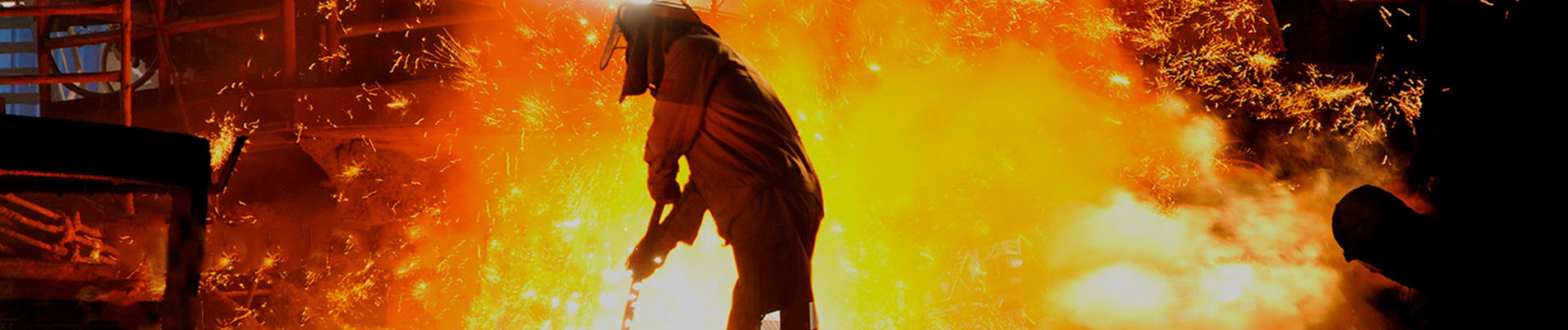
Mining hydraulic hoses can be exposed to several hazards at the same time: engine heat, exhaust components, abrasion, vibration, hydraulic oil, restricted routing and, in some applications, flame risk. Calling every protective sleeve an "MSHA fire sleeve" does not resolve which of those hazards the product is intended to control.
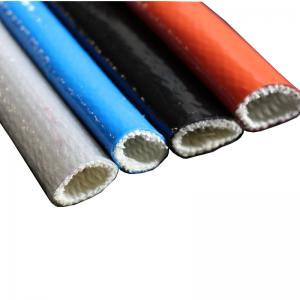
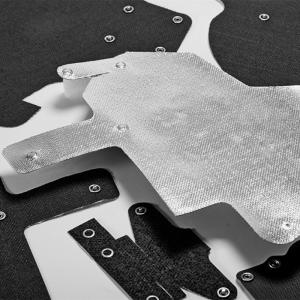
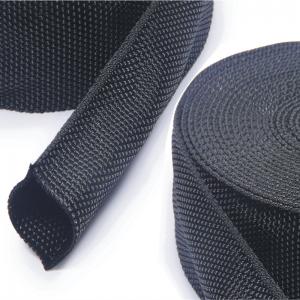
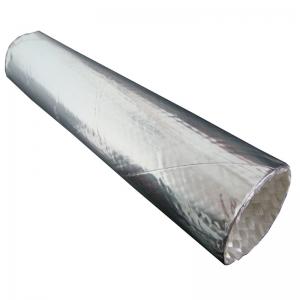
For purchasing and engineering teams, the first step is to define the protection function. A silicone-coated fiberglass fire sleeve is primarily selected for external thermal and flame exposure. A flame-resistant woven textile sleeve may instead be selected where abrasion and hose containment are the dominant requirements.
This guide explains how to specify a MSHA fire sleeve for mining equipment, what documentation to request and how to avoid confusing flame-resistance acceptance with unrelated hose performance.
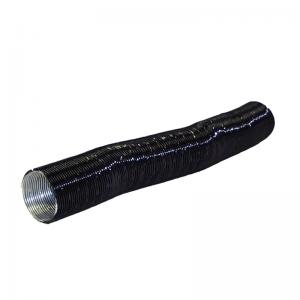
For high-temperature hydraulic hose protection, review the BSTFLEX Hydraulic Hose Protection Fire Sleeve. Other constructions can be found in the BSTFLEX Fire Sleeve range.
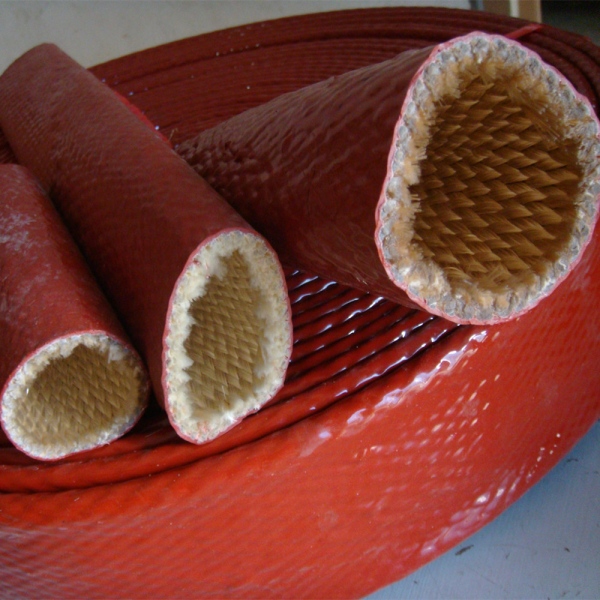
The Mine Safety and Health Administration evaluates flame-resistant materials and products used in mining applications under defined acceptance procedures. Hydraulic hose sleeves are among the product types that may be evaluated.
For a buyer, the important point is that an MSHA reference should be tied to the specific product or construction being supplied. It should not be treated as a general certification covering every sleeve manufactured by the same company.
When an MSHA requirement appears on a drawing or purchase specification, request the applicable documentation and confirm:
Keep this documentation with the approved part specification so future orders can be checked against the same construction.
A flame-resistance acceptance answers a defined fire-performance question. It does not automatically establish every other property required on mining equipment.
Additional requirements may include:
Do not infer these properties from an MSHA reference unless the applicable documentation specifically addresses them.
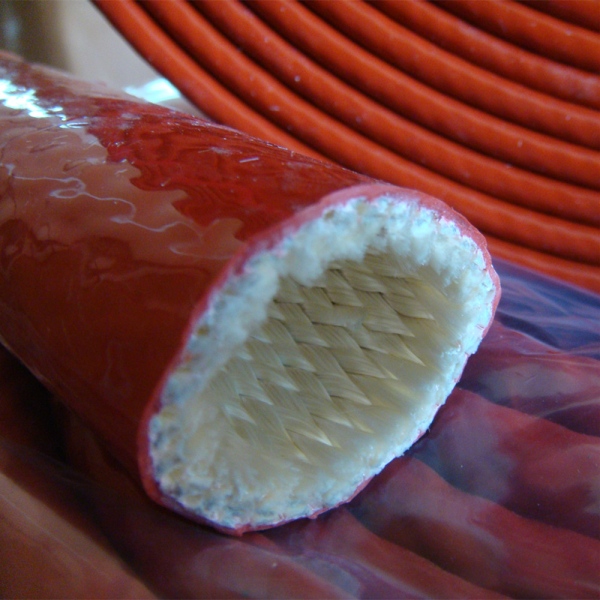
Mining buyers often encounter both products under broad terms such as fire sleeve, flame-resistant sleeve or hose protection sleeve. Their constructions and primary functions can be very different.
| Selection factor | Silicone fiberglass fire sleeve | Flame-retardant textile hose sleeve |
|---|---|---|
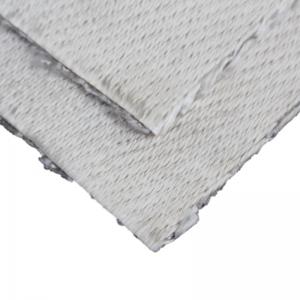
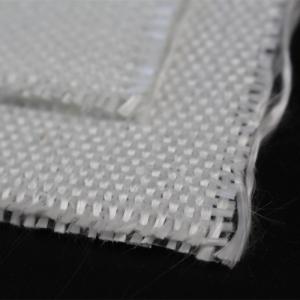
| Main construction | Fiberglass textile substrate with silicone rubber coating. | Woven synthetic textile, such as a flame-retardant polyester construction. |
| Primary selection reason | External heat, flame and high-temperature environmental protection. | Abrasion, hose rubbing and mechanical protection where flame resistance is also required. |
| Radiant heat near exhaust or hot machinery | Typical application to evaluate. | Do not treat as equivalent without the applicable thermal data. |
| Molten splash | Can be a relevant fire-sleeve requirement when supported by product test evidence. | Requires separate evidence; textile flame resistance alone does not establish molten-splash performance. |
| Abrasion-dominant routing | May provide additional mechanical protection, but evaluate the finished construction. | Often selected specifically for mechanical wear and rubbing protection. |
| MSHA requirement | Confirm the specific fire-sleeve construction and current documentation. | Confirm the specific textile sleeve and current documentation. |
BSTFLEX also supplies an MSHA flame-retardant polyester hydraulic hose sleeve. It should remain a separate product choice from the silicone fiberglass fire sleeve rather than being treated as a lower-temperature version of the same construction.
Hydraulic hoses routed near diesel engines, turbochargers, exhaust manifolds, aftertreatment components or other hot surfaces may receive substantial radiant heating.
First review whether the route can be changed or whether physical separation can be increased. Where external heat remains unavoidable, specify the required protected section and evaluate a high-temperature fire sleeve.
Provide the heat-source location and normal operating conditions rather than only the engine model. The sleeve surface temperature and the hose temperature underneath are not necessarily the same.
Where the mine, equipment specification or applicable regulation requires MSHA-accepted material, identify that requirement on the inquiry. Do not rely on the word "mining grade" as a substitute for documentation.
Ask the supplier to identify which product reference corresponds to the MSHA documentation. Receiving inspection should be able to connect the supplied sleeve to the approved purchasing specification.
Mining equipment often combines tight hose routing with repeated movement, dust and contact against other hoses or machine structures.
If rubbing is the dominant problem and severe heat is not present, a dedicated abrasion sleeve may be the more appropriate starting point. If heat and abrasion are both significant, define both hazards and evaluate the protective system against both rather than choosing from the product name.
Identify the actual fluid and expected exposure. An external sleeve may encounter occasional contamination during maintenance, persistent oil mist or fluid following a component leak.
A general oil-resistance statement does not qualify the sleeve for every hydraulic fluid and every exposure temperature. Product compatibility and cleaning requirements should be confirmed where they are important to the application.
A protective sleeve must not be used to hide or repair a damaged pressure hose. Before installing protection, inspect the underlying assembly according to the equipment maintenance procedure.
Conditions requiring assessment can include:
Replace or repair the hose according to the approved hydraulic system procedure before relying on external protection.
An excavator, drill, continuous miner, roof support system or other mobile machine can move a hose through a much larger envelope than a stationary photograph suggests.
Review the sleeve through the permitted equipment positions. Check:
The protective sleeve should follow the approved hose route without becoming the component that forces the hose into an unsuitable bend.
Hydraulic hose dash size normally describes nominal hose bore, not the finished outside diameter over its cover. Different pressure classes and hose constructions can therefore have different outside diameters while sharing the same nominal bore.
Measure or obtain the maximum hose OD from the approved hose specification. Then check the largest fitting, ferrule or connector the sleeve must pass over during installation.
Use the BSTFLEX Fire Sleeve Size Chart and Fitting Clearance Guide for the detailed dimensional method.
Where an existing hose cannot be disconnected, consider whether an openable construction is more practical than forcing an oversized tubular sleeve over the fittings.
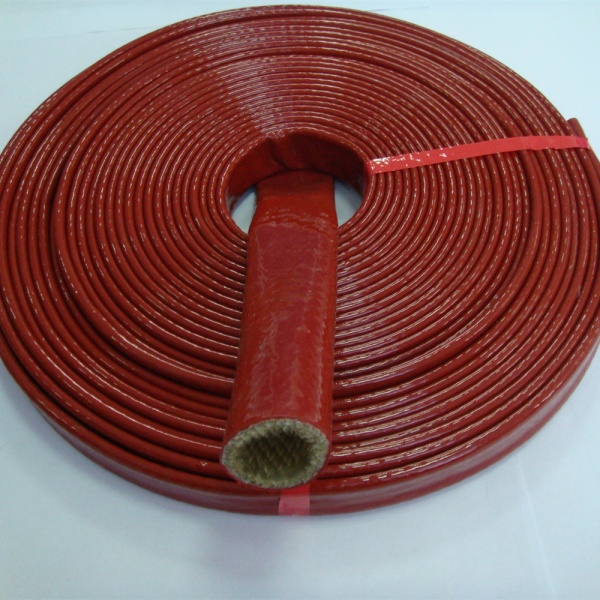
A new hose assembly can often receive tubular firesleeve before the final installation is completed. Retrofit work on an operating fleet has different constraints.
When removing the hose is impractical, an openable sleeve such as a snap wrap firesleeve can be evaluated. The installer wraps it around the existing line and closes it longitudinally.
That installation convenience does not eliminate the need to check:
The Removable Fire Sleeve Guide compares tubular, snap and hook-and-loop installation formats for existing assemblies.
These are separate performance questions.
A silicone fiberglass fire sleeve can be selected to reduce external thermal exposure and provide flame protection where supported by its product data. A tightly woven textile sleeve may be designed to address abrasion or help control fluid spray from a hose failure.
Do not describe every MSHA-accepted sleeve as a qualified hose-burst containment product. If personnel protection from pinhole leaks, spray-out or hose rupture is required, request specific evidence for that function and the actual pressure system.
The same applies in reverse: an abrasion or burst-protection sleeve should not automatically be treated as high-temperature fire protection because it has flame-resistant material.
| Document or record | What to verify |
|---|---|
| MSHA documentation | Product identification, acceptance reference, manufacturer or holder, and scope applicable to the proposed construction. |
| Technical datasheet | Material construction, dimensional range, stated temperature conditions and application limitations. |
| Relevant thermal or flame test report | Product tested, method, test conditions, result and acceptance criteria. |
| Abrasion evidence where required | The actual test method and product construction rather than a generic material claim. |
| Fluid compatibility information | Applicable fluid, exposure condition and limitations relevant to the mine equipment. |
| Sample approval record | Size, installation method, route, end treatment and machine application used for approval. |
| Production identification | Part number, size, batch or other traceability information required by the customer's quality system. |
Do not combine separate documents into one broad claim. For example, an MSHA flame-resistance acceptance and an abrasion test may support different requirements and may even apply to different products.
Consider a hydraulic hose routed through a restricted area close to a diesel exhaust component on underground equipment.
The engineering review identifies four issues:
A silicone fiberglass MSHA fire sleeve can be considered for the thermal and flame requirements where its specific documentation matches the project. Abrasion must still be evaluated on the finished installation.
If the hose is already installed and the fittings prevent tubular installation, the team can compare an approved openable construction. If severe mechanical rubbing remains, the route or additional mechanical protection may need attention rather than assuming the fire sleeve will solve every hazard.
The final specification should identify the exact sleeve construction, size, protected length, installation arrangement and applicable documentation.
Do not assume one mining equipment specification applies everywhere.
Surface equipment may face intense engine heat, sunlight, weather, dust and abrasion without the same underground material acceptance requirement. Underground equipment may add regulatory and mine-specific flame-resistance requirements.
Ask whether MSHA acceptance is mandatory for the particular project rather than adding it to every quotation automatically. Where another country or mine operator uses a different standard, follow that project requirement instead of substituting an MSHA document.
For a new mining equipment or fleet-maintenance project, provide:
For OEM supply, keep the compliance document tied to the approved customer part number. A change in sleeve construction, closure or material should be reviewed before assuming the previous qualification still applies.
No. MSHA acceptance or approval should be verified for the specific product or construction being purchased. Similar appearance and material descriptions do not establish the same acceptance status.
MSHA flame-resistance acceptance and a specific direct-flame performance claim are not automatically the same requirement. Review the relevant product documentation and test conditions for the exposure required by the project.
Choose according to the dominant hazard. Use a high-temperature fire sleeve where external heat, flame or thermal exposure is the main concern. Where rubbing and mechanical wear dominate, evaluate an abrasion-protection sleeve. Where both hazards are significant, specify both requirements and verify the proposed protection system.
No protective sleeve should be used to conceal an unresolved hose defect. Inspect and replace damaged hose assemblies according to the approved maintenance procedure before installing external protection.
BSTFLEX supplies silicone-coated fiberglass fire sleeves in multiple diameters and constructions for hydraulic hoses and industrial lines. Custom cut lengths, identification and packaging requirements can be evaluated for OEM projects. Required MSHA and other project documentation should be specified with the exact product during quotation.
Send BSTFLEX the hose OD, fitting dimensions, machine type, heat-source location, abrasion conditions and required MSHA documentation. State whether the application is underground or surface mining and whether the sleeve will be installed during hose assembly or retrofitted to an existing machine.
BSTFLEX can evaluate the appropriate fire sleeve construction and supply format for the project. For high-temperature hydraulic hose applications, review the Hydraulic Hose Protection Fire Sleeve.
Request technical data, samples or an OEM quotation from BSTFLEX with the mining equipment requirements and applicable documentation list.

 English
 français
 Deutsch
 русский
 italiano
 español
 português
 العربية
 日本語
 한국의
 Türkçe
 Polski
 Tiếng Việt
 slovenský
 Indonesia