English
 français
 Deutsch
 русский
 italiano
 español
 português
 العربية
 日本語
日本語 한국의
한국의 Türkçe
 Polski
 Tiếng Việt
 slovenský
 Indonesia



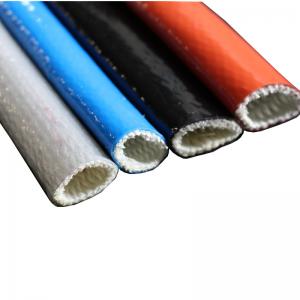
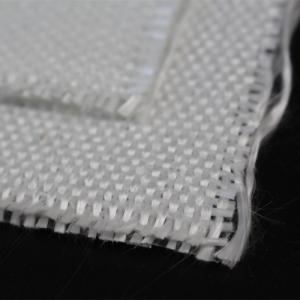
De siliconencoating verandert het blootgestelde oppervlak van glasvezeltape: het kan de weerstand tegen slijtage door hantering verbeteren, direct contact tussen verontreinigingen en het garen beperken en een oppervlak bieden dat is ontworpen om kortstondige gesmolten spatten af te stoten.Het verhoogt niet automatisch de continue temperatuurclassificatie, creëert geen kleefverbinding en maakt een overlappende wikkeling niet vloeistofdicht.
Dat onderscheid helpt verklaren waarom een gecoate tape kan worden gekozen, zelfs wanneer een ongecoat textiel voldoet aan de basistemperatuurvereiste. Rond industriële slangen, kabels en uitrustingsdetails moet de tape ook bestand zijn tegen installatie, nabijgelegen hardware en de stoffen die het buitenoppervlak bereiken.
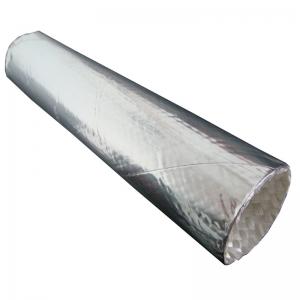
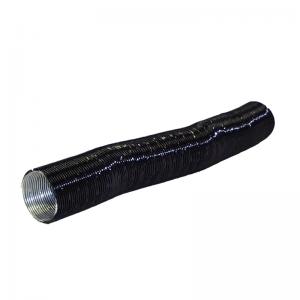
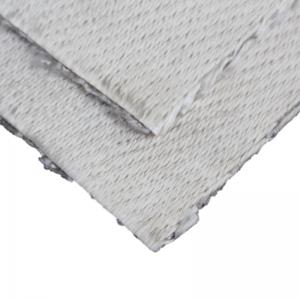
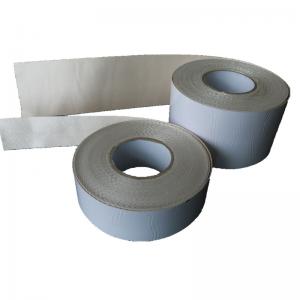
BSTFLEX met siliconen gecoate glasvezeltape combineert een glasvezeltextiel met siliconenrubber voor industriële beschermende wikkelingen. Het evalueren van de coating betekent kijken naar wat er aan het oppervlak gebeurt en hoe de volledige strook op het onderdeel past.
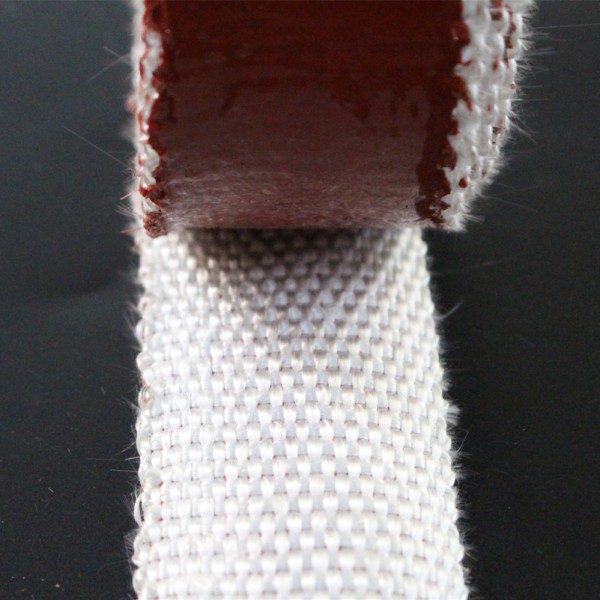
Oppervlakteslijtage: de coating komt als eerste in contact
Bij een ongecoate tape worden de garens direct blootgesteld aan hantering en contact met omliggende onderdelen. Een geschikte siliconencoating voegt een elastomeer oppervlak toe over het textiel. Dit kan helpen de onderliggende vezels te beschermen tegen wrijving en directe verstoring van het gecoate garen-oppervlak tijdens de installatie te verminderen.
Het voordeel is geen gegarandeerde toename in treksterkte of een vaste vermenigvuldiging van de levensduur. De formulering van de coating, de dekking en de hechting aan het textiel zijn van belang. Een scherpe beugel kan de coating nog steeds beschadigen en herhaaldelijk schuiven kan erdoorheen slijten.
Voor een onderhoudskoper is een nuttige vergelijking daarom niet simpelweg welk monster dikker aanvoelt. Vraag hoe de afgewerkte tape zich gedraagt tegen het werkelijke contactoppervlak, met representatieve beweging en temperatuur. Waar sprake is van aanhoudende wrijving, moet u de routering en ondersteuning van componenten controleren in plaats van alleen op de coating te vertrouwen.
Vloeistofcontact: bescherm het oppervlak, controleer daarna de openingen
Een met siliconen gecoat oppervlak kan helpen glasvezel te beschermen tegen oliën en andere oppervlakteverontreiniging wanneer de verbinding compatibel is met de blootstelling. Dat kan waardevol zijn in de buurt van industriële hydraulische apparatuur of machines waar incidenteel vloeistofcontact gepaard gaat met hitte.
Weerstand tegen het ene smeermiddel kwalificeert de tape echter niet voor elke hydraulische vloeistof, oplosmiddel of reiniger. Identificeer de vloeistof, concentratie, temperatuur en contactduur. Incidentele spatten, langdurig weken en herhaaldelijk reinigen zijn verschillende taken.
Scheid ook het gecoate oppervlak van de geïnstalleerde wikkeling. Vloeistof kan snijvlakken, onbedekt textiel of openingen tussen overlappende windingen bereiken. Een materiaal dat vocht op het gecoate oppervlak weerstaat, is niet automatisch een waterdichte behuizing. Neem deze toegangspunten op in de installatiebeoordeling en controleer de reinigingscompatibiliteit voordat u een onderhoudsmethode goedkeurt.
Hete spatten: de reactie van het oppervlak is van belang
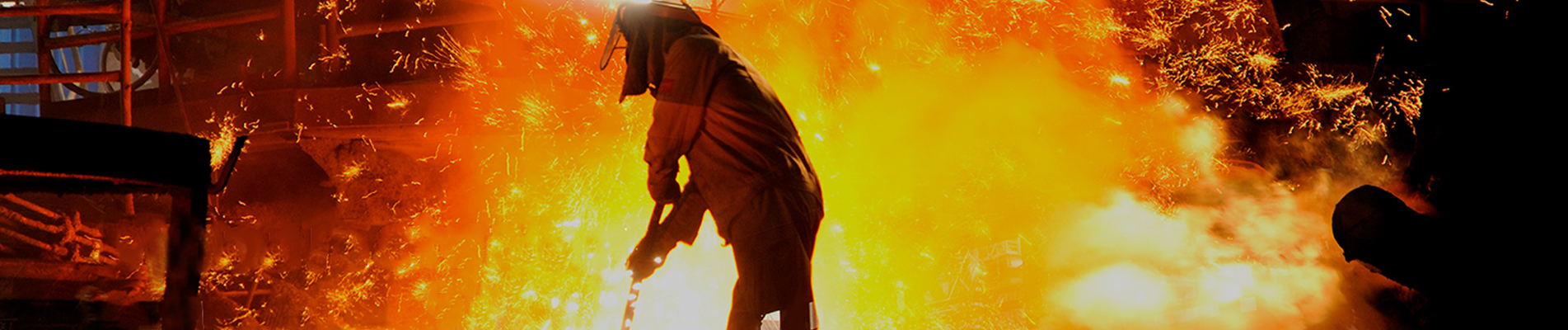
Speciaal geformuleerde siliconencoatings worden gebruikt op glasvezeltapes die bedoeld zijn om kortstondige gesmolten spatten af te stoten. Het aanmoedigen van hete druppels om het blootgestelde oppervlak te verlaten, kan de tijd dat ze in contact blijven met het textiel verkorten. Dit is een andere taak dan het vasthouden van de gehele tape op een hoge temperatuur voor continu gebruik.
Prestaties hangen van meer af dan alleen de druppeltemperatuur. Het gesmolten materiaal, de hoeveelheid, de contactduur, de oppervlakteoriëntatie en de conditie van de coating horen allemaal in de blootstellingsbeschrijving thuis. Een beschadigd oppervlak of een vouw die materiaal vasthoudt, moet worden opgenomen in de risicobeoordeling.
Vraag voor gieterij- of metaalverwerkingsapparatuur bewijs voor de volledige voorgestelde constructie en blootstelling. Interpreteer een claim over kortstondige spatten niet als toestemming voor onderdompeling, continu vlamcontact of onbeperkt hergebruik na een incident. Inspectie- en vervangingscriteria moeten deel uitmaken van de apparatuurprocedure.
Flexibiliteit verandert met de gehele constructie
Siliconenrubber is een elastomeer, maar dat betekent niet dat elke met siliconen gecoate glasvezelwikkeltape flexibeler is dan een ongecoat alternatief. Het glasvezelweefsel of breisel, de textieldikte, de hoeveelheid coating en de uitgeharde hardheid dragen allemaal bij aan hoe de strook buigt en tegen een onderdeel ligt.
Een zwaardere coating kan meer oppervlaktedekking bieden terwijl de afgewerkte opbouw toeneemt. Controleer bij een kleine bocht of vertakkende assemblage of de tape plat ligt of rimpels en openingen vormt. Controleer bij een strakke installatie of de overlappende lagen en bevestigingen binnen de beschikbare ruimte passen.
Houd de nominale textieldikte gescheiden van de afgewerkte gecoate dikte in de specificatie. Het vergelijken van twee tapes op basis van alleen breedte en kleur kan verschillen verbergen die van belang zijn tijdens de assemblage.
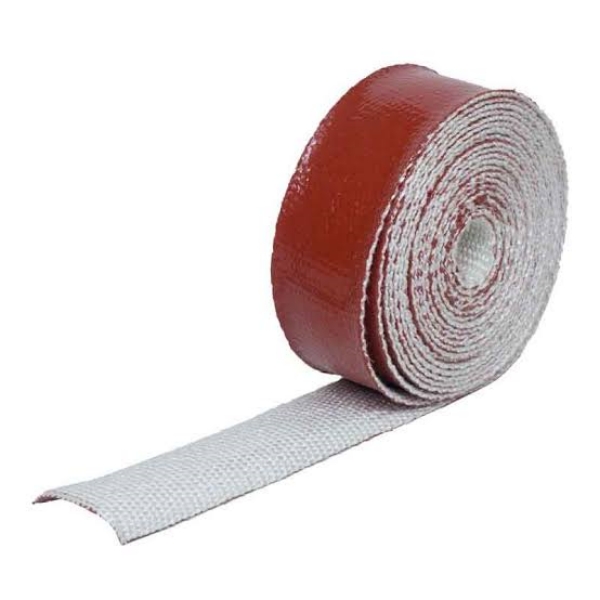
Een siliconenoppervlak is geen kleefspecificatie
Met siliconen gecoate glasvezeltape, siliconenkleefband en zelfversmeltende siliconentape beschrijven verschillende constructies.Er mag niet worden aangenomen dat een met rubber gecoat textiel aan een pijp hecht of versmelt met de volgende winding alleen omdat het oppervlak siliconen bevat.
Definieer voor een niet-klevende gecoate wikkeling de retentiemethode. Banden, binders of andere goedgekeurde bevestigingen moeten de tape op zijn plaats houden zonder de onderliggende slang door te snijden of de kabelisolatie te beschadigen. Elke afzonderlijk gespecificeerde lijm vereist zijn eigen servicelimieten en controle op substraatcompatibiliteit.
Volg de instructies van de geselecteerde constructie voor de oriëntatie van het gecoate oppervlak, overlapping en eindbevestiging. Een oppervlak dat grip biedt tijdens de assemblage is geen bewijs van een gekwalificeerde permanente verbinding.
Continue temperatuur heeft nog steeds zijn eigen limiet nodig
De gepubliceerde BSTFLEX-specificatie voor dit product vermeldt 260°C (500°F) continue blootstelling. Bevestig de huidige servicecondities voor de constructie die wordt besteld. Dit is een gepubliceerde productwaarde, geen verklaring dat elke siliconenformulering of elke glasvezeltape die limiet deelt.
De continue classificatie van het gecoate product kan lager zijn dan die van het kale glasvezelsubstraat. De coating kan worden gekozen voor oppervlaktebescherming in plaats van om het temperatuurvermogen van de vezel te verhogen. Vervang de limiet van het eindproduct niet door een hoger getal uit een gegevensblad van glasvezel.
Een temperatuurclassificatie stelt ook niet de temperatuur van de beschermde slang of kabel vast. Evalueer de geïnstalleerde opstelling onder representatieve omstandigheden. Het onderliggende onderdeel moet binnen zijn eigen bedrijfslimiet blijven. Alleen een siliconencoating stelt ook niet de hitte-reflectiviteit van een metalen bekleding of een gespecificeerde vermindering van warmteverlies vast.
Kan de tape worden gebruikt als compressieafdichting?
Sommige met siliconen gecoate glasvezeltapeconstructies worden gebruikt als compressieafdichtingen voor hoge temperaturen. In die rol werken het gecoate oppervlak en de textielrug binnen een verbinding in plaats van als een blootgestelde spiraalwikkeling.
Geschiktheid hangt af van de breedte van de verbinding, de geïnstalleerde dikte, de sluitkracht, de beweging en de vereiste lekkageprestaties. Een zacht aanvoelende gecoate tape is niet automatisch een gekwalificeerde pakking. Verstrek voor een apparatuurafdichting de tekening van de verbinding en de acceptatiecriteria voordat u de constructie selecteert. Gebruik geen beschermende wikkeltape als een drukvaste pijpreparatie.
Keur een monster goed op basis van de werkelijke taak
Gebruik een representatief onderdeel of armatuur om de gecoate tape te vergelijken met het voorgestelde alternatief. Houd breedte, textielconstructie en dikte vergelijkbaar waar praktisch, en noteer de verschillen. De volgende controles zijn voorgestelde evaluatiepunten, geen claim dat een specifieke BSTFLEX-test al is voltooid.
| Servicepunt | Wat te onderzoeken op het geïnstalleerde monster |
|---|---|
| Wrijving en hantering | Slijtage van de coating, blootliggende garens en schade op bevestigingspunten na representatief contact. |
| Blootstelling aan vloeistoffen en reiniging | Oppervlakteveranderingen, zwelling, verlies van hechtvermogen van de coating en penetratie bij afgesneden uiteinden of overlappingen. |
| Buigen en thermische cycli | Rimpelvorming, scheuren in de coating, openingen, beweging en de conditie van het omwikkelde onderdeel na de overeengekomen cyclus. |
| Thermische bescherming | Temperatuur bij het beschermde onderdeel onder gedefinieerde bedrijfsomstandigheden, afzonderlijk beoordeeld van het uiterlijk. |
Stem de blootstellingsmethode en acceptatiecriteria af met het apparatuurteam. Testen met vlammen of gesmolten metaal vereisen een geschikte gecontroleerde testfaciliteit; het is geen informele installatiecontrole.
Specificeer de coatingvereisten in de RFQ
Een nuttige aanvraag vermeldt waartegen het gecoate oppervlak bestand moet zijn. Voeg de glasvezelconstructie, de vereisten voor de gecoate zijde, de afgewerkte breedte en dikte, de rol- of snijlengte, de hoeveelheid en de tekeningreferentie toe. Voeg normale en piektemperaturen, vloeistoffen of reinigingsmiddelen, contactoppervlakken, beweging en de voorgestelde bevestigingsmethode toe.
Voeg voor een afdichtingstoepassing de voeggeometrie en de geïnstalleerde compressie toe. Voeg voor een wikkeling de afmetingen van het onderdeel, toegangsbeperkingen en de vereiste dekking toe. Deze details helpen om een geschikt coatingsysteem te onderscheiden van een systeem dat alleen op basis van uiterlijk is gekozen.
BSTFLEX levert met siliconen gecoate glasvezeltape voor de bescherming van industriële slangen, kabels en leidingen, met speciale afmetingen en verpakkingseisen beschikbaar voor beoordeling. Vergelijk andere materialen in het assortiment industriële hogetemperatuur-tapes, of stuur uw toepassing en vraag een offerte aan voor met siliconen gecoate glasvezeltape.