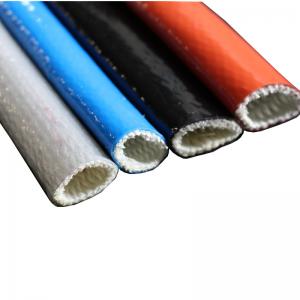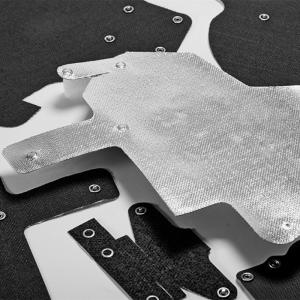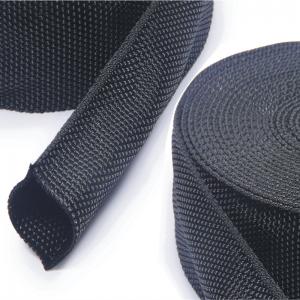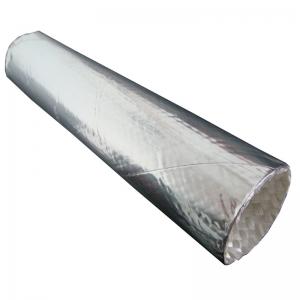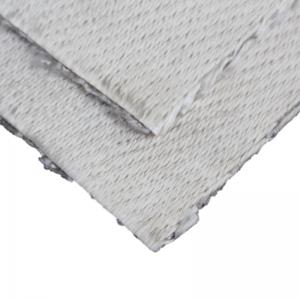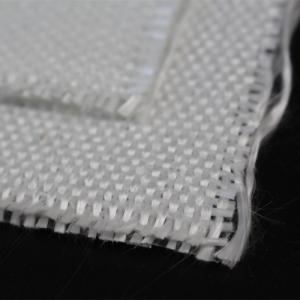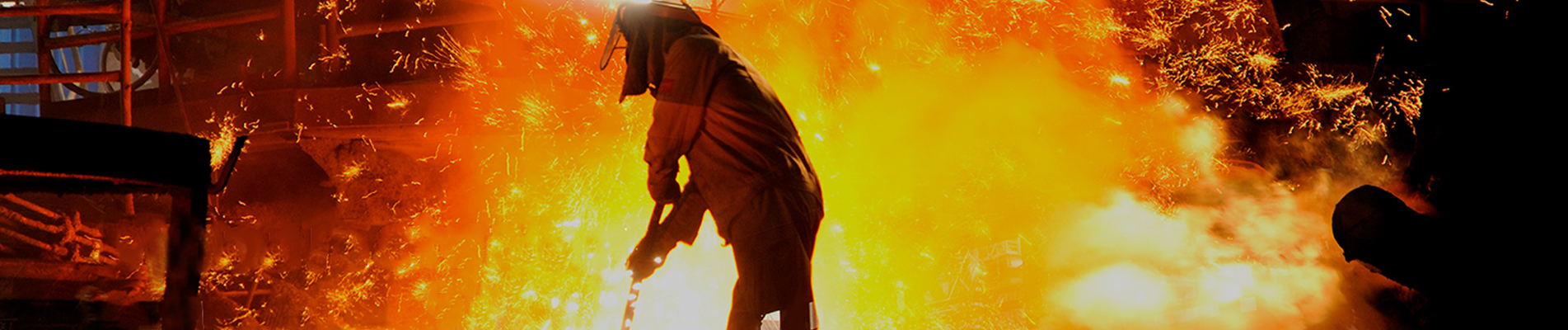
Silicastof is een geweven textiel voor hoge temperaturen dat wordt gebruikt waar conventionele glasvezelstoffen mogelijk onvoldoende thermische prestaties bieden. Afhankelijk van het silicagehalte, de weefstructuur, het gewicht, de dikte en de oppervlaktebehandeling kan silicastofdoek worden gebruikt voor lasbescherming, ovenisolatie, beheersing van uitlaatwarmte, verwijderbare isolatiehoezen, brandgordijnen, expansievoegen en andere industriële thermische beschermingssystemen.
BSTFLEX levert een breed assortiment geweven silicastof en speciaal behandelde silicatextielen, waaronder 70% silicastof, 96% hoog-silicastof, met siliconenrubber gecoat silicastofdoek, met aluminium gecoat silicastof, met vermiculiet gecoat silicastofdoek en zelfklevend silicastof.
Verschillende constructies lossen verschillende thermische problemen op. Een effen hoogzuiver silicastof kan worden gekozen voor directe hogetemperatuurisolatie, terwijl een aluminium oppervlak geschikter is wanneer stralingswarmte de belangrijkste zorg is. Siliconencoating biedt een andere combinatie van oppervlaktebescherming en verwerkingseigenschappen, terwijl een zelfklevende achterkant nuttig is wanneer het materiaal rechtstreeks op een onderdeel of thermische barrière moet worden aangebracht.
Voor ingenieurs, fabrikanten en industriële inkopers moet het juiste materiaal daarom worden geselecteerd op basis van de werkelijke warmtebron en niet alleen op basis van de temperatuurclassificatie.
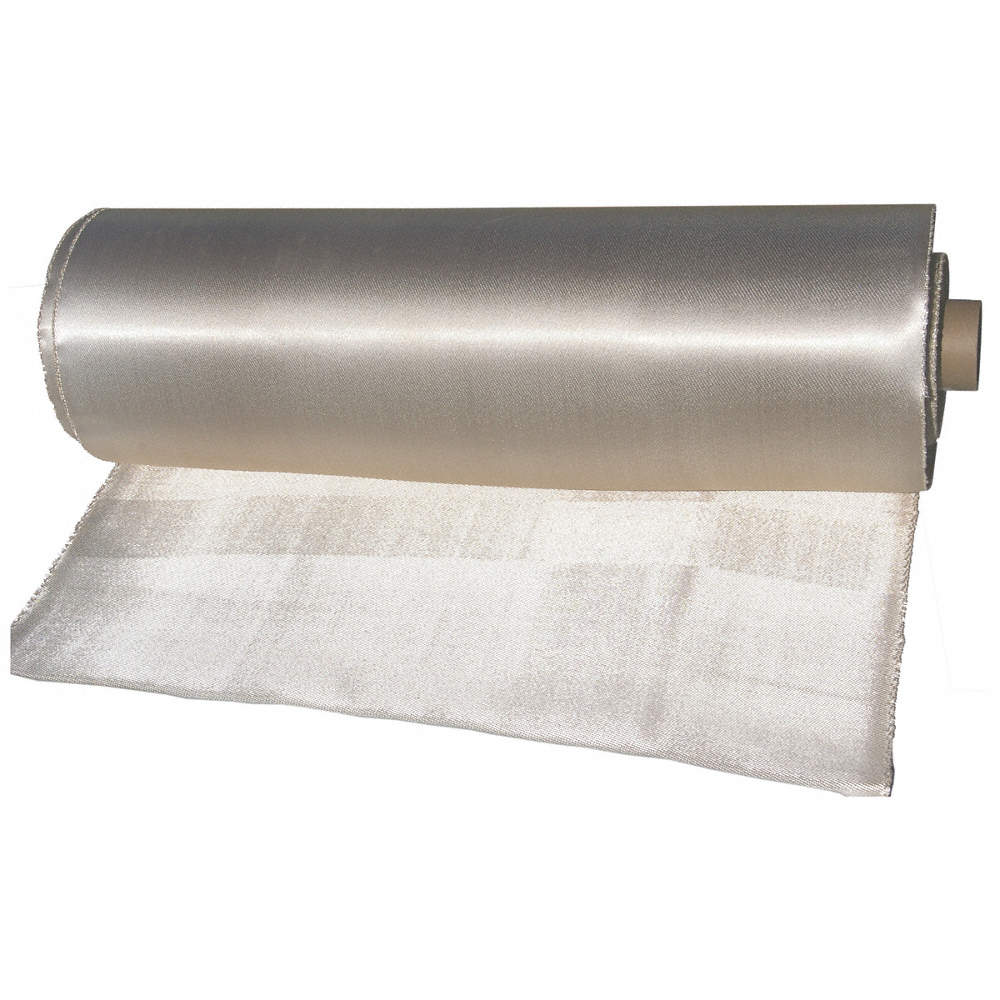
Silicastof wordt geproduceerd uit op silica gebaseerde vezels die tot garen worden gevormd en tot een flexibel textiel worden geweven. Het kan in de industrie ook worden omschreven als silicastofdoek, silicatextiel, silicastofvezeldoek, silicastofvezeldoek, geweven silicastof, silica glasvezeldoek of silica glasvezelstof.
Hoge-silicakwaliteiten bevatten een aanzienlijk hoger aandeel SiO2 dan conventionele E-glasstoffen en zijn bedoeld voor veeleisendere thermische omgevingen.
BSTFLEX's 96% hogetemperatuur-silicastof, bijvoorbeeld, wordt vervaardigd uit minimaal 96% silica-vezel en is ontworpen voor continue thermische blootstelling rond 1000°C.
De geweven constructie geeft het materiaal een belangrijk voordeel ten opzichte van starre isolatie: het kan worden gesneden, gewikkeld, genaaid en vervaardigd tot afgewerkte thermische beschermingscomponenten.
Typische vormen zijn:
Rollen en vellen
Lasdekens
Brandgordijnen
Ovengordijnen
Isolatielagen voor uitlaten
Verwijderbare isolatiemantels
Warmteschilden
Expansievoegen
Beschermhoezen voor apparatuur
Op maat vervaardigde thermische barrières
Hoog-silicastof is een silica-rijk geweven textiel dat is ontwikkeld voor toepassingen met langdurige hoge temperaturen, vlammenblootstelling en thermische isolatie.
Termen zoals hoog-silicastof, hoog-silicadoek, hoog-silicastofdoek, hoog-silica glasstof, hoog-silica glasvezelstof, hoog-silica glasvezeldoek en hoog-silica glasvezelstof worden vaak gebruikt door industriële inkopers bij het zoeken naar dit type materiaal.
Een van de belangrijkste specificaties is het silicagehalte.
BSTFLEX levert zowel 70%- als 96%-kwaliteiten omdat deze bedoeld zijn voor verschillende bedrijfsomstandigheden en kostenvereisten.
De 96% hogetemperatuur-silicastof is het voorkeursuitgangspunt voor toepassingen met langdurige blootstelling aan extreme hitte. De huidige specificatie gebruikt minimaal 96% silica-vezel en is ontworpen voor continu gebruik rond 1000°C.
De 70% geweven silicastofmaakt gebruik van een silica-constructie van 70% ±5% en is gespecificeerd voor gebruikstemperaturen tot ongeveer 800°C. Het wordt vaak gebruikt voor lasdekens, gordijnen, schermen en bescherming van apparatuur.
Deze twee materialen mogen niet als uitwisselbaar worden beschouwd alleen omdat ze allebei silicastof worden genoemd.
De vereiste silicasoort hangt voornamelijk af van de bedrijfstemperatuur, blootstellingsduur, mechanische omstandigheden en de constructie van het uiteindelijke isolatiesysteem.
| Type silicastof | Belangrijkste kenmerk | Gebruikelijke reden voor selectie | Typische toepassingen |
|---|---|---|---|
| 70% geweven silicastof | Ongeveer 70% silicagehalte | Kosteneffectieve thermische bescherming bij matige tot hoge temperaturen | Lasgordijnen, dekens, hoezen voor apparatuur |
| 96% hoog-siliciumgehalte stof | Ten minste 96% silicagehalte | Hogere temperatuurbestendigheid en thermische stabiliteit | Ovens, uitlaatsystemen, brandbeveiliging, isolatie voor extreme hitte |
| Met siliconen gecoat silicastof | Silicabasis met siliconencoating | Flexibel gecoat oppervlak en verbeterde verwerkingseigenschappen | Hoezen, gordijnen, flexibele verbindingen |
| Met aluminium gecoat silicastof | Silicastof met aluminium oppervlak | Reflectie van stralingswarmte | Hitteschilden, barrières, bescherming van apparatuur |
| Met vermiculiet behandeld silicastof | Silicastof met vermiculietbehandeling | Verbeterde duurzaamheid van het oppervlak en slijtvastheid | Lasbescherming, expansievoegen, isolatiemantels |
| Silicastof met zelfklevende achterkant | Silicastof met drukgevoelige lijmlaag | Eenvoudiger positioneren en installeren | Thermische barrières en samengestelde isolatieconstructies |
De tabel biedt een algemeen kader voor materiaalkeuze. Bij de uiteindelijke specificatie moet ook rekening worden gehouden met directe blootstelling aan vlammen, intensiteit van stralingswarmte, contacttemperatuur, beweging, slijtage, blootstelling aan chemicaliën en de installatiemethode.
Voor toepassingen waarbij thermische bestendigheid prioriteit heeft, zeer zuiver silicastofis dit doorgaans het eerste materiaal dat moet worden geëvalueerd.
BSTFLEX 96% silicastof voor hoge temperaturencombineert een geweven textielstructuur met een silicagehalte van ten minste 96%. Het materiaal blijft flexibel genoeg om te snijden en te verwerken en biedt tegelijkertijd een aanzienlijk hogere hittebestendigheid dan gewoon glasvezeldoek.
Dit type materiaal kan ook worden gezocht als:
silicadoek voor hoge temperaturen
silicadoek voor hoge temperaturen
silicadoek voor hoge temperaturen
amorf silicadoek
geweven silicadoek
silicadoek met hoge zuiverheid
glasweefsel met hoog silicagehalte
silicaglasvezeldoek
Typische toepassingen zijn uitlaatisolatie, ovenbarrières, lasbescherming, gordijnen voor hoge temperaturen en industriële brandbeveiligingssystemen.
Bekijk silicadoek voor hoge temperaturen met 96% silicagehalte
Niet elke installatie vereist materiaal met 96% silicagehalte.
Voor toepassingen die bij lagere temperaturen werken of projecten waarbij materiaalkosten moeten worden afgewogen tegen thermische prestaties, geweven silicadoek met 70% silicagehaltebiedt een andere optie.
De huidige specificaties van BSTFLEX omvatten uitvoeringen van 600, 880 en 1100 g/m² met nominale diktes van 0,75, 1,00 en 1,30 mm. Het materiaal is gespecificeerd voor temperaturen van ongeveer -40°C tot +800°C.
Dit geweven silicadoek is met name geschikt voor:
Lasdekens
Lasschermen
Beschermschermen
Apparatuurhoezen
Ovengordijnen
Algemene industriële hittebarrières
Het kiezen van materiaal met 70% in plaats van 96% kan zinvol zijn wanneer de werkomgeving niet de extra thermische capaciteit van een textiel van hoogzuiver silica vereist.
Bekijk geweven silicadoek met 70% silicagehalte
Onbewerkt silicadoek is niet altijd het ideale eindoppervlak.
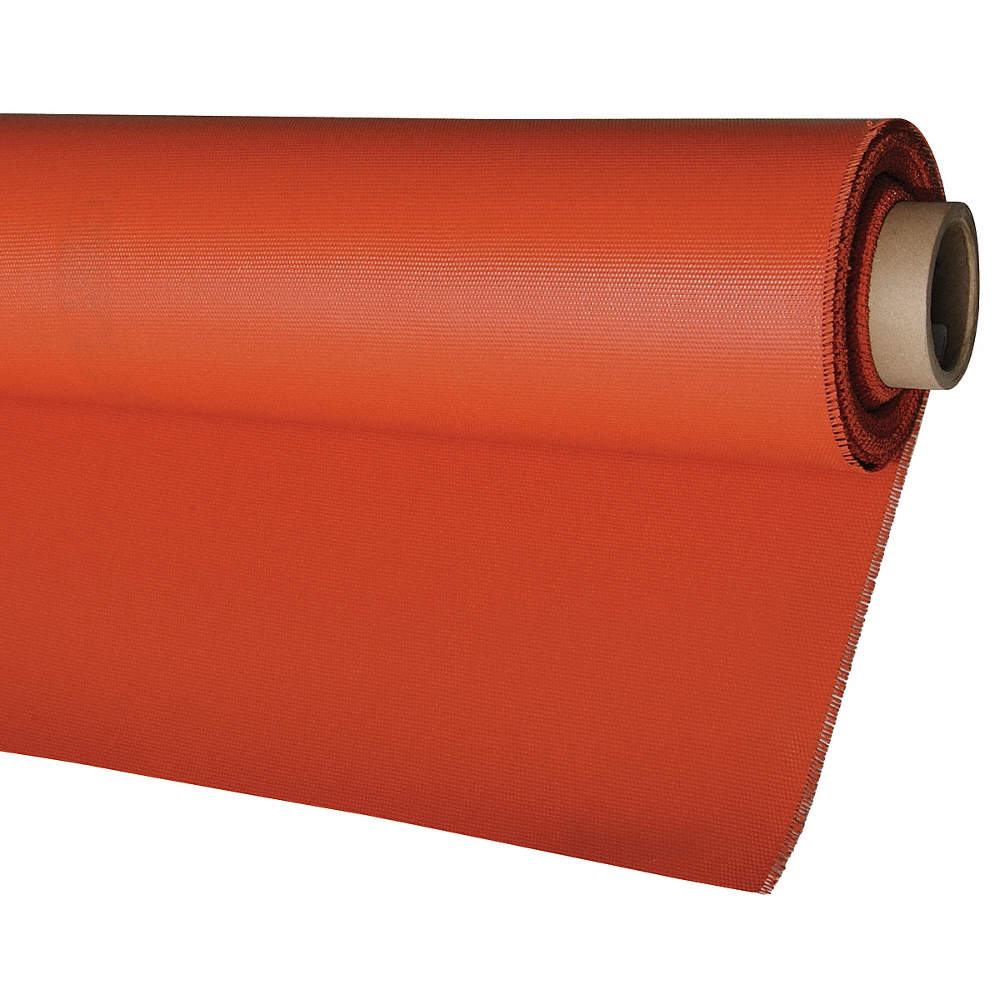
Een siliconencoating verandert de hanterings- en oppervlaktekenmerken van het textiel en maakt het beter geschikt voor bepaalde vervaardigde producten voor thermische bescherming.
BSTFLEX Met siliconenrubber gecoat silicadoek met hoog silicagehaltekan worden geleverd met een siliconenrubbercoating aan één of beide zijden. De huidige uitvoeringen omvatten aan één zijde en aan twee zijden gecoate versies op basis van silicadoek.
Typische toepassingen zijn:
Lasbescherming
Brandwerende gordijnen
Apparatuurhoezen
Afneembare isolatiehoezen
Flexibele expansiekoppelingen
Thermisch beschermend textiel
Onderdelen vervaardigd voor hoge temperaturen
Silicaglasweefsel met siliconencoating mag niet uitsluitend worden geselecteerd op basis van de temperatuurbestendigheid van het silicaglassubstraat. De gebruikstemperatuur van de coating moet ook afzonderlijk worden beschouwd ten opzichte van die van het basisweefsel.
Bekijk met siliconenrubber gecoat hoogsilicaglasdoek
Directe temperatuur en stralingswarmte zijn verschillende technische problemen.
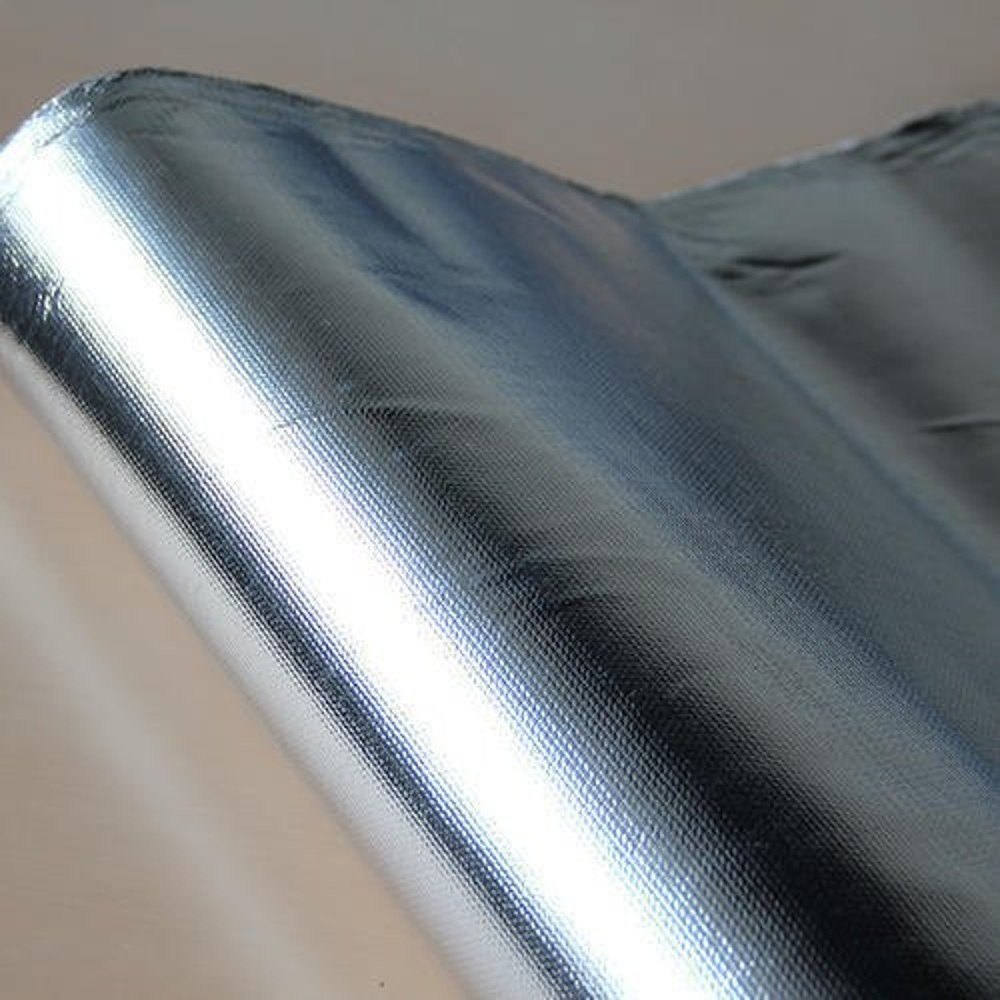
Wanneer de voornaamste warmtebelasting afkomstig is van een heet oppervlak, ovenopening, uitlaatonderdeel of andere sterke stralingsbron, kan een reflecterend oppervlak nuttiger zijn dan alleen het verhogen van de weefseldikte.
BSTFLEX Met aluminium gecoat hoogsilicaglasweefselcombineert een hoogsilicaglas geweven substraat met een met aluminium gecoat oppervlak dat is ontworpen om stralingswarmte te reflecteren en tegelijkertijd de flexibiliteit van een textiele barrière te behouden.
Typische toepassingen zijn:
Stralingswarmteschilden
Bescherming van ovengebieden
Warmtebarrières voor uitlaten
Bescherming van industriële apparatuur
Thermische gordijnen
Beschermhoezen
Behuizingen voor hoge temperaturen
Deze constructie is vooral nuttig wanneer het doel is om de overdracht van stralingswarmte naar aangrenzende onderdelen te verminderen in plaats van simpelweg een isolatielaag tegen een heet oppervlak te plaatsen.
Bekijk met aluminium gecoat hoogsilicaglasweefsel
In sommige toepassingen is de zwakte van een gewoon textiel niet de temperatuurbestendigheid, maar herhaalde behandeling, wrijving en oppervlakteslijtage.
Vermiculietgecoat silicaglasdoekcombineert hoogsilicaglasweefsel met een vermiculietbehandeling die de oppervlakteduurzaamheid en slijtvastheid verhoogt. BSTFLEX gebruikt momenteel 96% silicaglasweefsel als basisconstructie voor dit product.
Toepassingen zijn onder andere:
Lasgordijnen
Lasdekens
Flexibele expansieverbindingen
Pakkingen
Verwijderbare isolatiemantels
Apparatuurbescherming
Brandbeheersingssystemen
Voor fabricage waarbij herhaalde bewegingen of mechanisch contact voorkomen, kan deze constructie voordelen bieden ten opzichte van onbehandeld silicaglasdoek.
Bekijk vermiculietgecoat silicaglasdoek
Los weefsel rond onregelmatige oppervlakken installeren is niet praktisch voor elke toepassing.
Een zelfklevende achterkant maakt het mogelijk om silicaglastextiel tijdens fabricage of installatie direct te positioneren, waardoor beweging wordt verminderd terwijl de thermische barrière wordt samengesteld.
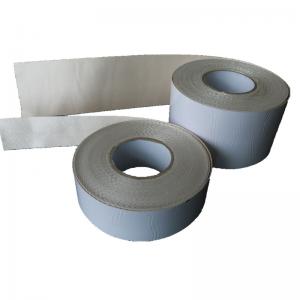
BSTFLEX Hoogtemperatuur silicaglasweefsel met zelfklevende achterkantgebruikt een drukgevoelige lijmlaag aan één zijde van het silicaglastextiel. Het huidige product kan zijn gebaseerd op 96% silicaglasweefsel, waarbij materiaal van 70% ook op aanvraag beschikbaar is.
Typische toepassingen zijn onder andere:
Gefabriceerde thermische barrières
Apparatuurisolatie
Warmteschildconstructies
Onregelmatig uitgesneden vormen
Ter plaatse geïnstalleerde thermische bescherming
Toepassingen waarbij tijdelijke positionering tijdens de montage vereist is
Net als bij gecoate stoffen hebben de lijm en het silicadraagmateriaal verschillende temperatuurbeperkingen. De maximale temperatuur van de silicastapelvezel zelf mag daarom niet worden gebruikt als de toelaatbare temperatuur van de lijmlaag.
Bekijk met lijm achterzijde voorzien silicastof
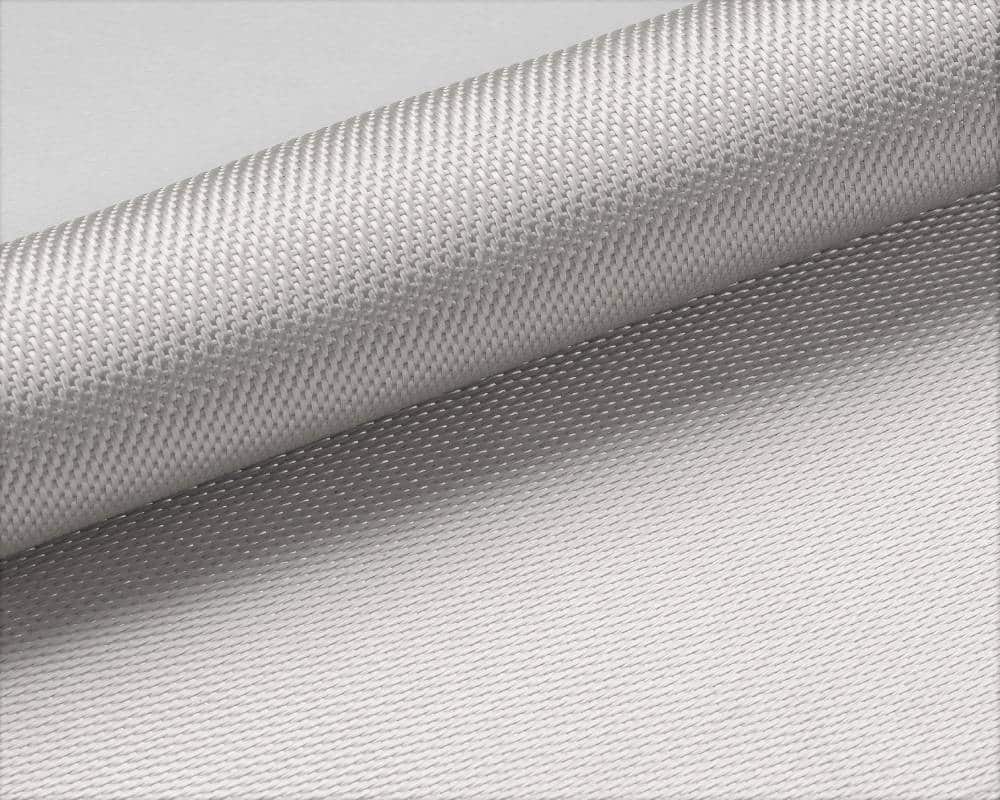
Er is geen enkele temperatuurspecificatie die op elke silicastof van toepassing is.
De temperatuurbestendigheid hangt af van:
Silicagehalte
Stofconstructie
Weefsel
Dikte
Oppervlaktebehandeling
Duur van blootstelling
Directe vlam versus indirecte warmte
Mechanische belasting
Installatiemethode
De huidige 96% geweven silicastof van BSTFLEX is ontworpen voor continue thermische blootstelling rond 1000°C, terwijl de huidige 70% geweven kwaliteit is gespecificeerd voor werktemperaturen tot ongeveer 800°C.
Coatings, lijmen en lamineringen moeten afzonderlijk worden beoordeeld. Een gecoat silicatextiel kan een basistof voor hoge temperaturen gebruiken, terwijl de oppervlaktebehandeling een lagere continue gebruikslimiet heeft.
Om deze reden is het specificeren van silicastof alleen door te vragen "Wat is de maximale temperatuur?" meestal onvoldoende.
Een nuttigere specificatie omvat:
continue bedrijfstemperatuur + piektemperatuur + blootstellingstijd + type warmte + mechanische omstandigheden.
Lassen is een van de meest gevestigde toepassingen voor silicatextiel.
Afhankelijk van de constructie kan silicastof worden verwerkt tot:
Lasdekens
Lasgordijnen
Lasschermen
Vonkenbarrières
Apparatuurhoezen
Beschermingssystemen voor heet werk
Voor algemene thermische bescherming kan 70% geweven silicastof voldoende zijn. Toepassingen met hogere temperaturen of zwaardere omstandigheden kunnen 96% materiaal vereisen.
Wanneer een grotere oppervlaktebestendigheid belangrijk is, kan met vermiculiet gecoat silicadoek worden overwogen. Wanneer een gecoat flexibel oppervlak vereist is, biedt met siliconen gecoate silicastof een andere constructieoptie.
De stof moet altijd worden geselecteerd op basis van het werkelijke lasproces, de blootstellingsafstand, vonken- en slakomstandigheden en of het textiel verticaal of horizontaal zal worden gebruikt.
Ovens en kilns stellen isolatiematerialen bloot aan aanhoudend hoge temperaturen en in veel gevallen aanzienlijke stralingswarmte.
Silicastof met een hoog gehalte kan worden gebruikt als:
Oven-gordijnen
Isolatiebekleding
Thermische scheidingslagen
Flexibele hittebarrières
Uitrustingshoezen
Verwijderbare isolatiecomponenten
Een geweven silicastof met hoge zuiverheid van 96% is over het algemeen geschikter wanneer langdurige zware thermische blootstelling optreedt.
Waar stralingswarmte de dominante belasting is, kan in plaats daarvan een met aluminium gecoate silicastof worden overwogen.
Industriële en voertuiguitlaatsystemen creëren geconcentreerde warmte rond leidingen, spruitstukken, dempers, turbines en nabijgelegen apparatuur.
Silicastof voor hoge temperaturen kan worden verwerkt in:
Isolatiedekens voor uitlaten
Warmteschilden
Verwijderbare hoezen
Thermische omwikkelingen
Meerlaagse isolatiesystemen
De flexibiliteit van geweven silicadoek maakt het mogelijk om zich aan te passen rond vormen die moeilijk te isoleren zouden zijn met stijve materialen.
De materiaalkeuze moet rekening houden met zowel de oppervlaktetemperatuur van de uitlaat als de vereiste temperatuurdaling aan de beschermde zijde.
Silicastof wordt ook gebruikt als onderdeel in vervaardigde verwijderbare isolatiemantels.
Afhankelijk van het ontwerp kan het functioneren als:
Stof aan de hete zijde
Buitenste beschermlaag
Interne thermische laag
Brandwerende textielversterking
Flexibele barrière rond isolatiemateriaal
Kleppen, flenzen, pompen, turbines, uitlaatcomponenten en industriële verwerkingsapparatuur vereisen vaak verwijderbare isolatie omdat routinematige inspectie of onderhoud mogelijk moet blijven.
Met siliconen gecoate, met vermiculiet gecoate en gewone constructies met hoog silicagehalte kunnen elk verschillende functies vervullen binnen deze samenstellingen.
Een nuttig selectieproces begint met de warmtebron in plaats van met de naam van de stof.
De toepassing langdurige zware temperaturen omvat en de primaire vereiste hoge thermische stabiliteit is.
Silicastof met 96% hoog temperatuurbestendigheid
De bedrijfstemperatuur lager is en het project een balans vereist tussen thermische prestaties en materiaalkosten.
Een gecoat, flexibel oppervlak nodig is voor vervaardigde hoezen, gordijnen of flexibele thermische componenten.
Met siliconenrubber gecoat hoog silicadoek
Reflectie van stralingswarmte is het primaire doel.
Met aluminium gecoat weefsel met een hoog silicagehalte
De toepassing een silicatextiel vereist met verbeterde oppervlaktebestendigheid en slijtvastheid.
Met vermiculiet gecoat silicadoek
Het materiaal rechtstreeks op een onderdeel moet worden aangebracht of tijdens de fabricage op zijn plaats moet worden gehouden.
Silicadoek voor hoge temperaturen met zelfklevende achterzijde
Silicadoek en conventioneel glasvezeldoek zijn verwante textielen voor hoge temperaturen, maar mogen niet automatisch als gelijkwaardige materialen worden beschouwd.
Standaardglasvezel wordt vaak gekozen voor algemene thermische isolatie en toepassingen bij gematigde temperaturen.
Weefsel met een hoog silicagehalte is bedoeld voor veeleisendere blootstelling aan hitte, waarbij een hoger silicagehalte en een grotere thermische stabiliteit vereist zijn.
De keuze hangt af van:
Continue temperatuur
Piektemperatuur
Warmtebron
Vereiste flexibiliteit
Gewicht van het weefsel
Mechanische belasting
Vereisten voor de coating
Ontwerp van het afgewerkte onderdeel
Projectkosten
Het gebruik van het materiaal met de hoogste temperatuurbestendigheid is niet altijd noodzakelijk. De betere aanpak is om de constructie van het weefsel af te stemmen op de werkelijke gebruiksomgeving.
Nee.
De termen kunnen samen voorkomen bij zoekopdrachten naar textielen voor hoge temperaturen, maar mogen niet als synoniemen worden beschouwd.
Weefsel met een hoog silicagehalte verwijst naar glasvezeltextielen die rijk zijn aan silica.
Alumina-silicadoek, vaak geassocieerd met keramische vezeltextielen, behoort tot een andere materiaalfamilie die is gebaseerd op aluminosilicaatvezels.
Dit onderscheid is belangrijk bij het vergelijken van temperatuurbestendigheid, mechanische eigenschappen, verwerkingseigenschappen en geschikte toepassingen.
Kopers die zoeken naar alumina-silicadoek moeten keramisch vezeldoek daarom afzonderlijk beoordelen, in plaats van aan te nemen dat het een andere naam is voor geweven weefsel met een hoog silicagehalte.
Een oppervlaktebehandeling kan de prestaties van silicadoek in de uiteindelijke toepassing veranderen.
Onbehandeld doek wordt meestal gekozen wanneer de thermische prestaties en flexibiliteit van het silicatextiel zelf de prioriteit hebben.
Een siliconencoating kan een beter beschermd en flexibel gecoat oppervlak bieden.
Een vermiculietbehandeling verbetert de slijtvastheid en oppervlaktebestendigheid.
Een aluminiumoppervlak is voornamelijk bedoeld voor het beheersen van stralingswarmte.
Drukgevoelige lijm vereenvoudigt het positioneren en installeren.
De juiste behandeling hangt af van het faalmechanisme dat de ontwerper probeert te voorkomen.
Dat onderscheid is belangrijker dan simpelweg de stof selecteren met de hoogste nominale temperatuurbestendigheid.
Industriële projecten voor thermische bescherming gebruiken zelden één universele specificatie.
BSTFLEX levert silicatextiel voor OEM-fabrikanten, fabrikanten van industriële isolatie, leveranciers van lasbescherming, fabrikanten van hitteschilden en andere bedrijven die textielmaterialen voor hoge temperaturen nodig hebben.
Afhankelijk van het product en de toepassing kunnen de vereisten verschillen op het gebied van:
Silicagehalte
Stofgewichten
Diktes
Breedtes
Rollengtes
Weefconstructies
Oppervlaktecoatings
Aluminiumbehandelingen
Vermiculietbehandelingen
Zelfklevende achterzijde
Afmetingen van het vervaardigde product
Verpakkingseisen
Voor een nieuw project helpt het aanleveren van toepassingsgegevens vóór de offerte om een geschiktere constructie te bepalen.
Nuttige informatie omvat:
Continue bedrijfstemperatuur
Maximale temperatuur op korte termijn
Directe blootstelling aan vlammen
Omstandigheden met stralingswarmte
Contacttemperatuur
Vereiste dikte
Vereiste breedte en rollengte
Toepassingsomgeving
Mechanische slijtage
Vereiste oppervlaktebehandeling
Geschatte jaarlijkse hoeveelheid
Tekening of afmetingen van het eindproduct
Silicastof wordt gebruikt voor industriële warmte-isolatie, lasdekens, brandwerende gordijnen, ovenbescherming, uitlaatisolatie, afneembare isolatiehoezen, expansievoegen en andere toepassingen met verhoogde temperaturen.
In industriële inkoopterminologie worden silicadoek en silicastof vaak gebruikt om dezelfde algemene categorie van geweven silicatextiel aan te duiden. Individuele producten kunnen desondanks aanzienlijk verschillen in silicagehalte, weefsel, gewicht, dikte en oppervlaktebehandeling.
Geweven silicastof wordt geproduceerd door garens op basis van silica tot een flexibel textiel te weven. Dankzij de geweven constructie kan het materiaal worden gesneden, genaaid, gewikkeld of verwerkt tot onderdelen voor thermische bescherming.
Amorfe silicastof is een term voor vezelachtig, silicarijk textiel waarin de siliciumstructuur niet-kristallijn is. Bij industriële zoekopdrachten wordt de term vaak geassocieerd met zeer zuivere geweven silicamaterialen die worden gebruikt voor zware thermische bescherming.
Zeer zuivere silicastof verwijst normaal gesproken naar geweven textiel met een hoge SiO2-concentratie. De 96%-kwaliteit van BSTFLEX bevat ten minste 96% silica en is ontworpen voor continue blootstelling rond 1000°C.
Nee. Ze verschillen in silicagehalte en thermische prestaties. De huidige 70%-stof van BSTFLEX is gespecificeerd voor gebruik tot ongeveer 800°C, terwijl de 96% geweven silicastof bedoeld is voor continue blootstelling rond 1000°C.
Ja. Afhankelijk van de vereiste prestaties kan silicastof worden geleverd met behandelingen van siliconenrubber, aluminium, vermiculiet of drukgevoelige lijm.
Wanneer reflectie van stralingswarmte de primaire vereiste is, is met aluminium gecoate hoog-silicastof over het algemeen geschikter dan onbehandeld textiel, omdat het metalen oppervlak specifiek bedoeld is om stralingsenergie te reflecteren.
Zowel 70% als 96% silicastoffen kunnen worden gebruikt voor lasbescherming, afhankelijk van de ernst van de thermische blootstelling. Met vermiculiet behandeld materiaal kan ook worden overwogen wanneer extra oppervlaktebestendigheid vereist is.
Ja. Geweven silicatextextiel kan worden gesneden en vervaardigd tot dekens, gordijnen, afdekkingen en isolatiecomponenten. Geschikt naaigaren voor hoge temperaturen en fabricagemethoden moeten worden gekozen voor de beoogde gebruiksomstandigheden.
BSTFLEX levert momenteel de volgende belangrijkste silicatenxtielconstructies:
96% hogetemperatuur-silicastof
Met siliconenrubber gecoat hoog-silica doek
Met aluminium gecoate hoog-silicastof
Met vermiculiet gecoat silicadoek
Hogetemperatuur-silicastof met zelfklevende achterkant
De meest geschikte silicastof hangt af van veel meer dan alleen één temperatuurwaarde.
Voor een nauwkeurige materiaalkeuze en offerte geeft u de vereiste bedrijfstemperatuur, warmtebron, stofdikte of gewicht, breedte, oppervlaktebehandeling, toepassing en geschatte hoeveelheid door.
BSTFLEX kan standaard silicastoffen ondersteunen, evenals gecoate, gelamineerde, zelfklevende en toepassingsspecifieke hogetemperatuurtextielvereisten voor industriële en OEM-projecten.
Stuur uw specificaties, tekening of voorbeeldvereisten naar BSTFLEX voor materiaalevaluatie en offerte.

 English
 français
 Deutsch
 русский
 italiano
 español
 português
 العربية
 日本語
日本語 한국의
한국의 Türkçe
 Polski
 Tiếng Việt
 slovenský
 Indonesia