English
 français
 Deutsch
 русский
 italiano
 español
 português
 العربية
 日本語
 한국의
 Türkçe
 Polski
 Tiếng Việt
 slovenský
 Indonesia




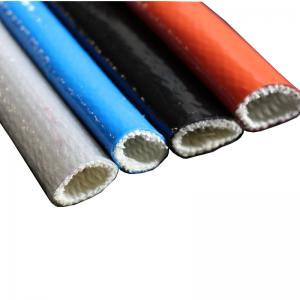
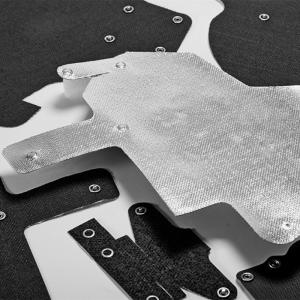
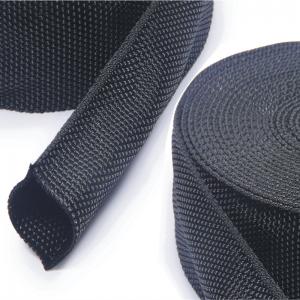
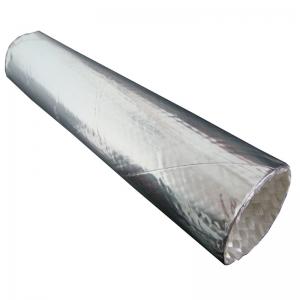
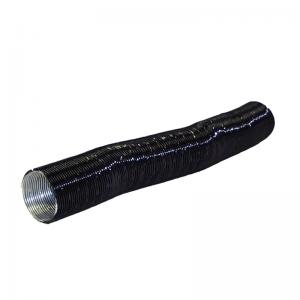
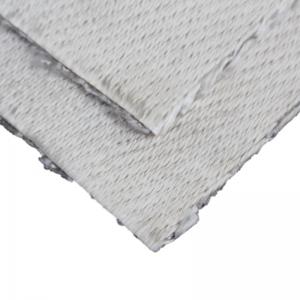
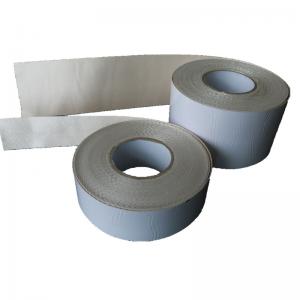
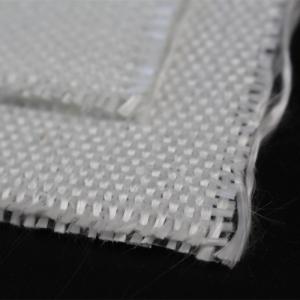
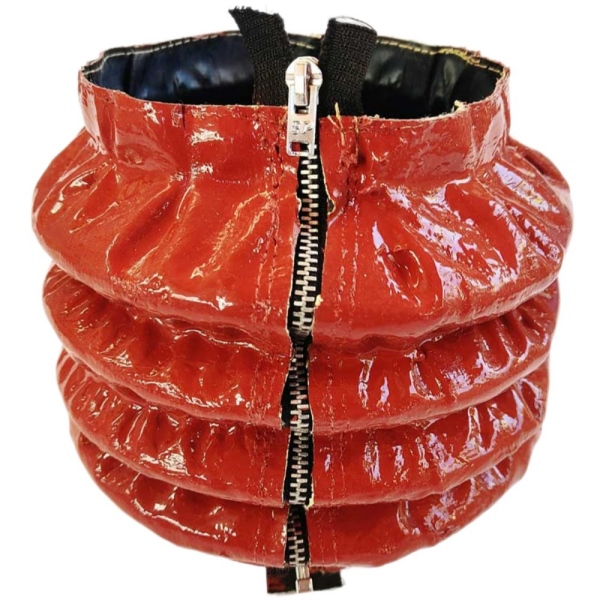
An open belt fabric expansion joint and an endless fabric expansion joint can be made from similar flexible materials and designed for the same industrial duct. The important difference is how the belt reaches the installation, where its circumferential closure is completed, and how much work must be performed at the jobsite.
This decision is easy to overlook during purchasing. A factory-closed belt may appear to reduce installation work, but it still needs a physical installation path around the duct or frame. An open belt can solve an access problem, but the field closure becomes a controlled installation operation that must match the selected material system.
BSTFLEX manufactures custom non metallic fabric expansion joints for new duct systems and replacement projects. The correct delivery form should be agreed before production rather than discovered after the expansion joint arrives on site.
The Main Question: Can the Belt Reach Its Installed Position?
Before choosing open or endless construction, examine the installation path.
Ask a practical question:
Can a closed flexible belt physically be positioned around the finished duct and expansion joint frames without dismantling equipment that is intended to remain in place?
If the answer is yes, an endless belt may be practical.
If the answer is no, the project may require an open belt that is wrapped around the installed frame and closed using an approved site-splice procedure.
This is why delivery form should be reviewed together with:
- Duct accessibility
- Existing frames
- Nearby equipment
- Scaffolding and working space
- Shutdown duration
- Replacement scope
- Belt construction
- Approved splice method
Open Belt vs Endless Belt: Quick Purchasing Comparison
| Selection Point | Open Belt | Endless Belt |
|---|---|---|
| Delivery condition | Flexible belt supplied open for closure during installation | Flexible belt supplied as a closed loop |
| Circumferential closure | Completed at site using the approved method | Normally completed before shipment |
| Installation path | Can be wrapped around an existing frame where a closed loop cannot pass over the assembly | Requires a practical route for positioning the closed belt |
| Field splice | Usually required | Normally not required for circumferential closure, unless project-specific work is specified |
| Factory splice | Depends on belt construction and manufacturing arrangement | Commonly incorporates a factory-completed closure |
| Site workmanship | Splice procedure becomes a critical part of installation | Less circumferential closure work at site |
| Replacement access | Useful where frames and ductwork remain installed | Useful where the belt can be installed over or around the assembly |
| Main purchasing question | Who completes and verifies the field closure? | Can the closed belt actually be installed? |
These are general procurement differences. The actual construction, installation sequence and splice method must follow the approved project drawing and material-specific instructions.
What Is an Open Belt Fabric Expansion Joint?
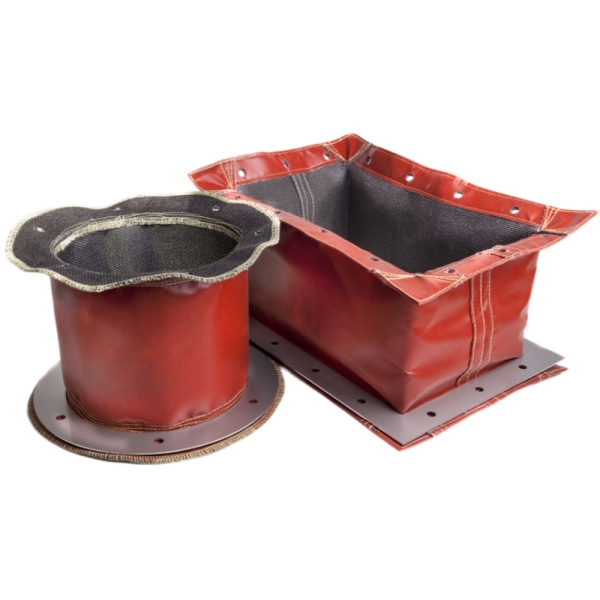
An open belt fabric expansion joint is supplied with the flexible belt circumference not permanently closed at the factory.
During installation, the belt is positioned around the expansion joint frame and the belt ends are joined according to an approved field procedure.
This delivery form can be useful when:
- The duct cannot be disconnected
- The existing metal frames will remain installed
- A closed belt cannot pass around adjoining equipment
- Access exists around the belt perimeter but not through the end of the duct
- The project is a belt-only replacement
- The expansion joint is large enough that open delivery simplifies handling
An open belt should not be interpreted as an unfinished product requiring the installer to invent a joining method. The field closure is part of the expansion joint specification.
What Is an Endless Fabric Expansion Joint?
An endless fabric expansion joint, also commonly described as a closed-loop belt, is supplied with its circumference already closed.
The belt can therefore arrive ready to be positioned onto the expansion joint frame without completing the main circumferential splice at site.
This can reduce one important field operation, but it creates another requirement:
The plant must have a practical installation path for the closed belt.
For example, if both sides of an existing rectangular duct are permanently connected to large equipment and neither frame can be dismantled, a closed belt may have no route into position.
That issue should be discovered during engineering review, not during the shutdown.
Endless Does Not Necessarily Mean Seamless
The word “endless” can create confusion.
A closed-loop flexible belt may still contain a factory-manufactured splice depending on the material system and manufacturing method. Endless describes the delivered geometry: the belt forms a continuous loop.
For purchasing purposes, it is useful to distinguish:
- Factory-completed splice
- Field-completed splice
- Continuous construction where applicable
- Location of any manufactured closure
Do not assume that “endless” automatically means that no joining process exists anywhere in the flexible element.
Open vs Endless Is Different from Belt Type vs Flanged Type
Two separate decisions are involved.
Connection profile describes how the flexible element attaches to the duct or expansion joint frame.
Delivery form describes how that flexible element is supplied for installation.
A belt-type joint may therefore be supplied in an open or closed configuration depending on the design and site access.
For the connection-profile decision, see our guide to belt type vs flanged fabric expansion joints.
Do not combine these two questions into one specification such as “open flange type” unless the actual drawing clearly shows what is required.
Why Field Splicing Deserves Its Own Specification
A fabric expansion joint field splice is part of the sealing and structural continuity of the flexible element.
The correct joining method depends on the material construction.
Depending on the approved belt system, a closure may involve:
- Heat sealing
- Bonding
- Mechanical joining
- Sewn construction
- A combination of joining methods
There is no universal splice temperature, overlap dimension, adhesive, sewing method or installation tool that can safely be applied to every fabric expansion joint.
A PTFE-based sealing construction, silicone-coated textile system and multilayer high-temperature belt can require different closure procedures.
For this reason, the purchase specification should identify:
- Who performs the field splice
- Which approved procedure is used
- Which splice materials are supplied
- Which tools are required
- Whether a qualified technician is required
- What inspection or acceptance check is required
Choose the Splice Location Before the Belt Arrives
The site closure must be positioned where installers can actually reach it and perform the approved procedure correctly.
For a horizontal rectangular duct, an accessible upper section may be preferred in some installation procedures. However, splice location should be determined from the actual project and supplier instructions rather than using one universal rule.
The proposed location should consider:
- Access for personnel
- Scaffolding or platform position
- Available working clearance
- Corner locations
- Nearby structural members
- Insulation and liner components
- Future inspection access
- Orientation of the finished joint
For rectangular joints, the closure should also be coordinated with corner geometry. A site splice should not accidentally interfere with a formed corner or other high-strain region unless that detail has been specifically engineered.
Do Not Use the Field Splice to Correct a Dimensional Error
An open belt does not mean the installer can freely change its finished circumference.
The belt should be manufactured to the approved geometry and installed according to the specified closure detail.
Using the splice to compensate for an incorrectly measured perimeter can change:
- Flexible belt tension
- Available movement
- Fold geometry
- Clamp engagement
- Corner position
- Liner clearance
For replacement work, establish the installation geometry before ordering. Our replacement fabric expansion joint measurement guide explains how to separate installed dimensions, flexible length and total belt dimensions.
Factory Splice vs Field Splice
| Issue | Factory Splice | Field Splice |
|---|---|---|
| Environment | Completed under controlled manufacturing conditions | Completed under actual site conditions |
| Access | Manufacturing access is generally unrestricted | Working space depends on the installed duct |
| Equipment | Manufacturer controls the normal production tools and setup | Required tools must be available at the jobsite |
| Weather | Normally performed in a controlled production environment | Outdoor temperature, moisture, wind and contamination may need to be managed |
| Quality control | Can be integrated into normal factory production controls | Requires a defined field acceptance procedure |
| Installation flexibility | Creates a ready-made closed belt | Allows the belt to be positioned around an existing assembly before closure |
The comparison does not mean that a correctly executed field splice is inherently unsuitable. It means that site conditions introduce variables that should be addressed in advance.
Field Conditions Need to Be Included in the Installation Plan
A field joining procedure can depend on factors that are not visible on the expansion joint drawing.
Before installation, confirm:
- Safe and sufficient working space
- Protection from rain or contamination where necessary
- Required electrical power for installation tools
- Lighting
- Approved lifting and handling arrangements
- Clean working surfaces
- Protection from welding and grinding work nearby
- Storage conditions before installation
The flexible material should be protected from sharp edges and unrelated construction work. Do not place scaffolding, tools or other loads on the fabric belt.
Factory Holes or Field Holes?
Hole preparation is another delivery decision that should be separated from belt closure.
A replacement fabric belt may be supplied with:
- Factory-prepared holes
- Hole locations prepared from an approved drawing
- Material intended for approved field hole preparation
Factory holes can reduce site work when the existing attachment pattern is accurately known.
Field hole preparation may provide flexibility when the existing frame has dimensional variation, but it requires an approved method and accurate onsite positioning.
Do not assume that a field-spliced belt should automatically be field-drilled, or that an endless belt must always arrive with factory holes. These are separate RFQ choices.
Replacement Belt Only vs Complete Assembly
Open-belt delivery is particularly relevant when purchasing a replacement fabric belt for existing metal frames.
Before ordering belt only, inspect the retained:
- Frames
- Clamp bars
- Fasteners
- Sealing surfaces
- Internal liner
- Insulation components
- Accumulation barrier
If those components are damaged or the operating conditions have changed, the lowest-cost belt-only replacement may not be the correct scope.
If an existing joint failed prematurely, review the cause before duplicating its construction. See fabric expansion joint failure: causes, inspection and prevention.
High Temperature Belts Add Another Installation Consideration
An open multilayer belt may contain several materials performing different functions.
These can include:
- Gas-sealing membrane
- Mechanical reinforcement
- Thermal insulation
- Hot-face textile
- External protective layer
The field closure must preserve the intended continuity of the relevant functional layers.
Joining only the visible outer fabric does not automatically recreate the gas seal, thermal protection or reinforcement of the complete belt.
For high-temperature construction principles, see high temperature fabric expansion joints for flue gas ducts.
For material functions, see fabric expansion joint materials: PTFE, silicone, fiberglass and silica.
Large Rectangular Ducts Need Special Planning
A large rectangular expansion joint may be easier to transport as an open belt or as part of a sectional assembly, but transportation convenience should not override installation requirements.
For rectangular systems, confirm:
- Top and bottom dimensions
- Left and right side dimensions
- Corner radii
- Frame orientation
- Closure location
- Clamp-bar layout
- Access to each side
- Installation sequence
If the belt contains preformed corners, orientation becomes especially important. The correct corner must align with the corresponding frame position.
Marking upstream, downstream, top and individual sides on the drawing and packaging can reduce installation errors.
Open Belt Can Be Useful During Plant Shutdowns
During a shutdown replacement, removing major duct sections simply to install a closed flexible belt may be undesirable.
An open belt can allow the existing metal assembly to remain largely in place while the flexible element is installed around it.
However, the resulting site-splice work must be included in the shutdown plan.
The plant should know before the outage:
- Whether the belt will arrive open or endless
- Which components must be removed
- Who performs the splice
- How long access must remain available
- Which tools and consumables are required
- What inspection is required before startup
A purchasing specification that says only “replacement fabric expansion joint” leaves too many of these responsibilities undefined.
When an Endless Belt Is Usually the Simpler Choice
An endless belt can simplify installation when:
- The frame is accessible from an open end
- A duct section is already being removed
- The complete assembly is supplied preassembled
- Site conditions make field joining difficult
- The project aims to minimize field closure work
- The belt size is practical for handling and transportation
The final decision still depends on the complete expansion joint design.
A factory-closed belt that cannot be positioned around the equipment is not a practical solution regardless of how well the splice was manufactured.
When an Open Belt May Be the Better Delivery Form
An open belt may be more practical when:
- Existing frames cannot be removed
- The duct cannot be separated
- The joint surrounds large fixed equipment
- The installation route prevents use of a closed loop
- Large dimensions make closed-loop handling difficult
- A belt-only maintenance replacement is planned
The benefit comes from installation access, not from superior thermal or movement performance.
Open and endless belts should therefore be compared on logistics and installation requirements rather than assuming one automatically provides a higher temperature rating or greater movement capacity.
A Third Option: Preassembled or Sectional Expansion Joint
The purchasing decision is not limited to open belt versus endless belt.
Depending on size and project logistics, an expansion joint can also be supplied as:
- Fully assembled unit
- Partially assembled unit
- Sectional metal frame assembly
- Separate frame and fabric components
- Fabric belt only
A large fabricated joint may be divided for transportation and completed at site. That arrangement can introduce both field metalwork and fabric closure requirements.
The RFQ should therefore define the full delivery scope rather than specifying the belt condition alone.
Do Not Compare Quotations Until the Installation Scope Matches
Two quotations can appear to describe the same expansion joint while including very different site responsibilities.
Before comparing price, check whether each offer includes:
- Flexible belt
- Factory splice
- Field-splice materials
- Installation tools
- Factory-prepared holes
- Clamp bars
- Fasteners
- Internal liner
- Insulation pillow
- Accumulation barrier
- Metal frames
- Installation instructions
- Site supervision where specifically agreed
A lower quoted price may simply reflect a different supply boundary.
Common Specification Mistakes
Ordering an Endless Belt Without Checking the Installation Path
The belt arrives correctly manufactured but cannot be placed around the existing equipment without additional dismantling.
Ordering an Open Belt Without Defining the Splice Procedure
The plant receives the material but does not know who is responsible for completing the closure or what equipment is required.
Assuming Open Belt Means Adjustable Size
The splice should not be used to compensate for incorrect measurements or unexpected frame geometry.
Assuming Endless Means No Splice Exists
A factory-closed belt may incorporate a factory-manufactured joining area depending on the construction.
Ignoring Hole Preparation
Factory versus field holes can materially change installation work even when belt dimensions are correct.
Ignoring Internal Components
Replacing the outer flexible belt while damaged liners or insulation remain in place can reproduce the original problem.
RFQ Checklist: Open or Endless Fabric Expansion Joint
| RFQ Item | Information to Provide |
|---|---|
| Project type | New installation, OEM assembly or replacement |
| Requested delivery form | Open belt, endless belt, preassembled unit or open to engineering recommendation |
| Installation access | Explain whether a closed loop can physically reach the installed frame |
| Duct geometry | Round diameter or rectangular width × height |
| Frame dimensions | Attachment perimeter, clamp-bar dimensions and corner details |
| Belt dimensions | Approved developed dimensions rather than only the duct opening |
| Movement | Axial compression, extension, lateral and angular movement |
| Temperature | Normal, design and excursion temperatures with duration |
| Pressure | Normal and design pressure with positive or negative sign |
| Process medium | Air, exhaust, flue gas or other process gas |
| Particles | Dust, fly ash or other abrasive solids |
| Existing accessories | Liner, insulation pillow, accumulation barrier and retained metalwork |
| Splice scope | Factory closure or field closure; identify responsible party |
| Hole preparation | Factory holes, field holes or other approved arrangement |
| Site requirements | Access restrictions, shutdown window and required installation documentation |
| Quantity | Number of identical and non-identical joints |
Which Should You Choose?
Choose an endless fabric expansion joint when a closed belt can be installed practically and reducing field closure work is important.
Choose an open belt fabric expansion joint when the belt must be wrapped around an existing assembly and site access prevents installation of a closed loop.
But do not make that decision from the words “open” or “endless” alone.
The manufacturer should also review:
- Belt materials
- Required movement
- Pressure
- Temperature
- Gas composition
- Dust conditions
- Frame design
- Splice method
- Installation access
The best delivery form is the one that can be manufactured, transported, installed and inspected correctly for the actual project.
Custom Open and Endless Fabric Expansion Joints
BSTFLEX supports custom fabric expansion joint manufacturing according to customer drawings, operating conditions and installation requirements.
As a fabric expansion joint manufacturer, we can evaluate the required belt geometry, materials and delivery form for new systems and replacement projects.
When requesting a quotation, tell us whether the existing duct can accept a closed belt or whether an open belt is required for site installation. Include drawings and photographs whenever possible.
Review the custom non metallic fabric expansion joint product page for available configurations.
Request an Open Belt or Endless Fabric Expansion Joint Quote