English
 français
 Deutsch
 русский
 italiano
 español
 português
 العربية
 日本語
 한국의
 Türkçe
 Polski
 Tiếng Việt
 slovenský
 Indonesia




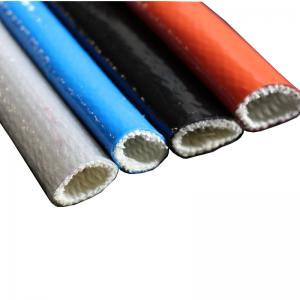
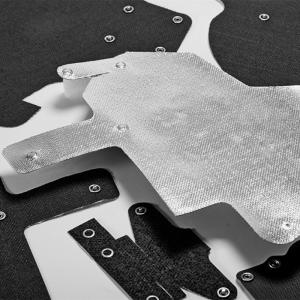
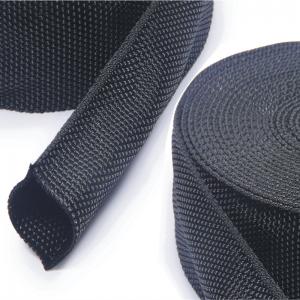
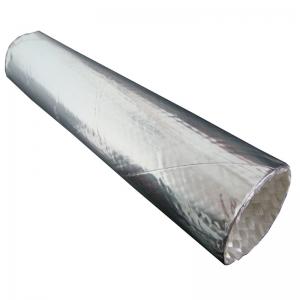
A closed tubular Kevlar hose sleeve can be installed after crimping when the assembly has an unconnected end and the sleeve can pass over its complete fitting while still providing a suitable fit on the hose. If neither finished fitting allows passage, schedule the sleeve before the fittings close off access. The hose and coupling manufacturer's approved assembly procedure determines how that sequence is carried out.
For hose assembly suppliers and equipment manufacturers, this decision belongs on the production drawing. Leaving it until the finished hose reaches the packing bench can mean that the specified sleeve no longer has a way onto the assembly.
BSTFLEX supplies a braided Kevlar hose sleeve for external mechanical protection. This guide explains how to plan the installation around the hose, its end fittings and the required covered section.
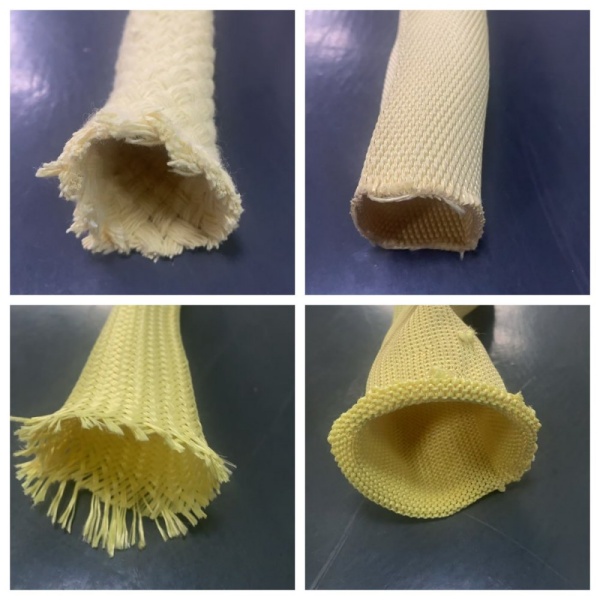
Choose the Installation Route Before Ordering the Sleeve
Kevlar hose sleeve installation starts with access. A closed sleeve needs an unobstructed route from an end of the assembly. The following three situations lead to different purchasing and assembly decisions.
| Assembly condition | Installation route to evaluate | What must be confirmed |
|---|---|---|
| New hose with end fittings not yet attached | Schedule the sleeve while end access remains available. | The loose sleeve can be kept clear of hose preparation, fitting assembly and crimping. |
| Completed hose assembly with an accessible end | Evaluate a sleeve that can pass over the complete fitting. | Passage causes no damage, and the sleeve gives acceptable coverage once positioned on the hose. |
| Connected hose with no available end access | Review a separately specified side-entry protector or an approved maintenance installation plan. | The chosen solution meets the protection requirement without improvising a longitudinal opening in a closed sleeve. |
The installation route does not change the specified hose, coupling or crimping requirements.
Installing an Aramid Hose Sleeve Before Crimping
When a completed fitting would block the sleeve, pre-installation removes that obstruction from the sleeving operation. The assembly work instruction should identify when the sleeve is introduced and where it is held while the end connection is made.
Keep an ordinary external protection sleeve outside the hose-to-fitting interface and clear of the tooling. Do not trap it under the pressure-connection ferrule or use it to compensate for an incorrect hose or fitting size. Only an expressly approved assembly design can specify additional material within that connection.
The sleeve should also leave the assembler access to insertion marks, crimp inspection points and identification. Plan the cutting and handling of the textile so loose fibers do not contaminate open hose ends. Follow the hose manufacturer's cleanliness and assembly instructions.
For repeat orders, identify the pre-installation stage on the job sheet. A photograph of the approved arrangement can show the workshop where the loose sleeve sits before it is moved into its final position.
Fitting a Hose Sleeve After Crimping
A completed hose presents two different fit requirements: clearance over the end fitting and coverage on the hose body. Both must be satisfied by the same sleeve specification.
When evaluating an aramid sleeve over crimped hose fittings, consider the whole shape along the insertion path. A hexagonal nut, elbow, flange or projecting feature can govern passage. A single diameter taken from the straight portion of the fitting may miss the obstruction.
Hose sleeve fitting clearance should therefore be checked against an assembly drawing or an actual sample. If the textile catches, requires excessive force or shows yarn damage during fitting, stop and review the size or installation route.
Once the sleeve has passed the coupling, inspect how it sits on the hose. Simply increasing the sleeve size until the fitting passes can leave excess material along the working section. That excess may affect clearance or allow the protective cover to move away from the intended contact zone.
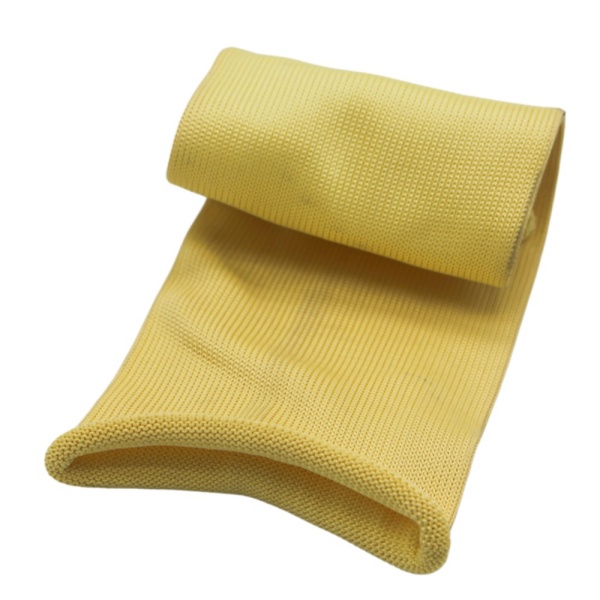
Check the Expansion Range of the Selected Braid
Some braided constructions accommodate diameter changes by changing the angle of their yarns. The usable range belongs to the individual product and size. Do not assume that every braided aramid sleeve expands by the same ratio.
For an alternative braided construction, review the size information for aramid braided sleeving. Confirm the range for the item being quoted rather than transferring a size range from another sleeve to the proposed hose assembly.
When the Hose Is Already Connected
A closed aramid hose sleeve cannot be placed around the middle of a connected line without an available route from an end. If the planned maintenance work does not provide that access, assess a protector specifically designed for side entry.
Cutting a standard tube lengthwise creates a different construction. Its open edges, closure and retained coverage would need a separate specification. It should not be treated as an equivalent substitute for the original tubular product.
Any work on an existing hydraulic line must follow the equipment's isolation and depressurization procedure. Inspect the hose first. A protective sleeve does not repair a leaking, kinked or otherwise damaged hose assembly.
Approve Installed Coverage Before Setting the Cut Length
Hydraulic hose sleeve sizing includes length as well as diameter. Mark the section that needs protection on the assembly drawing, then identify the required start and finish positions of the cover.
Where an expandable braid opens to a larger diameter, its length can decrease. Measure the coverage on the representative assembly rather than pulling the textile tight along a ruler. The remaining installed length must still cover the intended section after fitting.
A cut to length hose sleeve order should state the measurement condition, agreed tolerance and required installed coverage. Establish any cutting allowance through the selected product's instructions and the approved sample. A fixed percentage taken from a different sleeve system is not a reliable substitute.
End treatment is another part of that specification. Use a cutting and finishing method appropriate to the actual aramid construction. Do not assume that a heat-sealing process used for a different textile is suitable. Ask for a sample showing the finished ends before releasing production quantities.
Keep the Protected Section Covered During Movement
Hose sleeve retention should keep the cover in position without creating a new pressure point, restricting the hose's required movement or interfering with a coupling. Specify the retention arrangement for the application rather than choosing a universal clamp or tie location.
Review the hose route at its required operating positions. Preserve the hose manufacturer's bend limits, avoid twisting the assembly and check that the sleeve does not migrate or gather against adjacent hardware. A stationary sample does not establish performance through repeated machine movement.
A hose abrasion protection sleeve also needs to allow the inspections required by the maintenance plan. Agree how technicians will access the covered hose and its connections. External wear protection alone does not establish hydraulic spray containment or hose-whip restraint; those require a separately qualified protective system.
What the First Approved Assembly Should Record
Before releasing a batch of hydraulic hose protective sleeving, retain a sample and an installation record tied to the hose assembly number. Record the following details together:
- Selected sleeve: product reference, construction and agreed size.
- Assembly sequence: when the sleeve is fitted and which end provides access.
- Fitting passage: the complete end profile used for the trial, where post-crimp installation is required.
- Length and coverage: supplied cut length, measurement condition and final start and finish positions.
- End finish and retention: the approved arrangement, with a photograph where useful.
- Inspection access: how required markings, connections and the protected hose remain inspectable.
These details give the buyer and the hose assembly workshop the same reference. If the coupling, hose outside diameter or routing changes, review the sleeve fit again before carrying the old specification into the new build.
Questions to Resolve Before Releasing the Order
Can one sleeve size be used for hoses with different fittings?
Possibly, but each installation path needs checking. Two hoses with the same outside diameter can require different sleeve sizes or assembly sequences when their end fittings differ.
Should the sleeve be fixed at both ends?
Use the retention scheme approved for the selected sleeve and assembly. The answer depends on movement, coverage and inspection access. Do not adopt a two-end fixing rule from an unrelated protector.
Request a Kevlar Hose Sleeve for Your Assembly
For a Kevlar hose sleeve enquiry, send BSTFLEX the hose outside diameter, a drawing of both end fittings, the required covered length and the planned installation stage. Include the equipment's movement, contact conditions and required quantity.
If you need a custom Kevlar hose sleeve, state whether you want roll supply for workshop cutting or individual cut pieces. The proposed size, end finish and supply format can then be reviewed against your assembly before quotation and sample approval.